How to Handle Frustration During Orton-Gillingham
If reading practice turns into tears, resistance, or shutdown, the problem may not be the lesson itself but how frustration is building during it. Here is how to handle frustration during Orton-Gillingham in a calm, practical way.


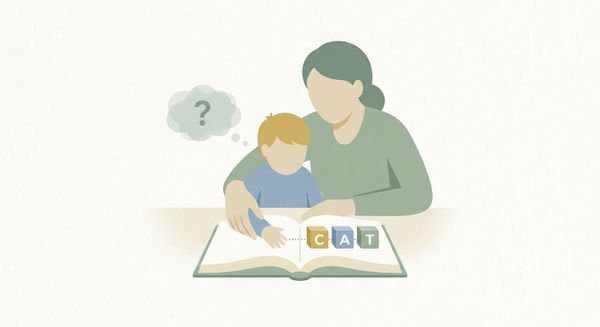
If your child melts down halfway through reading practice, you are not doing anything wrong by noticing it. A lot of parents start Orton-Gillingham at home with good intentions, then hit the same wall. Their child gets stuck on a word, repeats the same mistake, and suddenly the whole lesson feels like too much.
Frustration during Orton-Gillingham is common, especially for kids who already expect reading to feel hard. The goal is not to make every lesson perfectly smooth. The goal is to keep frustration from taking over the session.
Here is how to spot it early, respond calmly, and make practice feel more manageable.
Why frustration shows up so fast
For many struggling readers, reading is not just difficult. It is emotionally loaded. Your child may already be walking into practice expecting to fail, get corrected, or feel behind.
That means even a small challenge can bring up a big reaction.
Frustration during Orton-Gillingham often shows up when:
- the lesson goes on too long
- the child is asked to do something that is not fully secure yet
- corrections come too quickly or too often
- the child is tired, hungry, or already overloaded
- the pace feels slow to the parent but intense to the child
This matters because frustration is not always a sign that the method is wrong. Often it is a sign that the session needs to be adjusted.
What does frustration look like before a meltdown?
Most kids show signs before they fully shut down. The trick is catching those signs early enough to change course.
Watch for things like:
- guessing instead of sounding out
- rushing through words
- putting their head down
- saying “I don’t know” right away
- getting silly or off-task
- snapping at you over a small correction
- suddenly needing a drink, snack, or bathroom break
Those behaviors can look like avoidance, but often they are early signs that your child is hitting their limit.
If you wait until the tears or anger start, it is much harder to turn the lesson around.
What should you do in the moment?
When frustration starts building, the best response is usually to reduce pressure fast.
That might mean:
- shortening the task
- going back to an easier word pattern
- giving one prompt instead of three
- reading one item together before asking your child to try alone
- ending the session early if your child is clearly done
Try to keep your voice neutral and your words simple. Instead of saying, “No, that’s not right, try it again and remember what we just worked on,” you can say, “Let’s slow it down,” or “We’ll do this one together.”
That small shift helps your child feel supported instead of judged.
It also helps to separate the child from the struggle. The message should be: this word is hard right now, not you are failing.
Is it okay to stop the lesson early?
Yes. Sometimes ending early is the smartest choice.
Parents often worry that stopping means giving in. But if your child is too frustrated to process the practice, pushing through usually does not lead to better learning. It just teaches them that reading time feels bad.
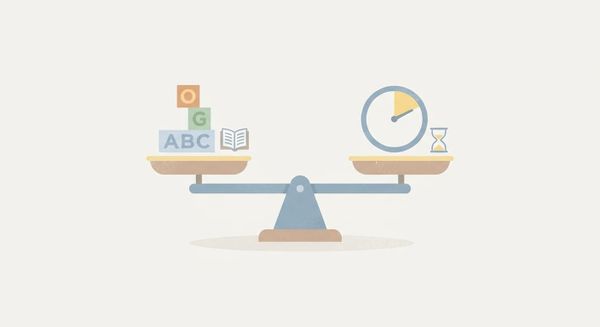
Stopping early can protect consistency. A short, calm lesson today is better than a long, miserable one that makes your child resist practice tomorrow.
If you do stop, try ending on one small success. Read one known word. Review one sound your child knows well. Let the last moment feel doable.
That gives your child a better emotional memory of the session.
A real-life example
Imagine a fourth grader named Mia working on syllable division. She reads the first few practice words well, then gets to a longer word and starts guessing. Her parent corrects her twice. Mia crosses her arms and says, “I hate this.”
At that point, the most helpful move is not another explanation. It is a reset.
Her parent covers part of the word, helps her read one syllable at a time, then switches to two easier review words. After that, they stop for the day.
That lesson may look short from the outside, but it is still productive. Mia practiced the skill, got support before fully melting down, and ended without the whole session falling apart.
Over time, that kind of response can build more trust and less panic around reading.
Practical ways to reduce frustration during Orton-Gillingham
A few small changes can make home practice go much better.
Keep sessions shorter than you think
Many kids do better with 10 to 15 solid minutes than with a longer lesson that drags.
Build in easy review
Do not make every part of the session new or hard. Include a few words or patterns your child can read successfully.
Correct less, cue better
If your child is making a mistake, give one clear prompt. Then support the next step. Too much talking can increase stress.
Stop before the crash
If you see guessing, tension, or shutdown starting, adjust right away. Do not wait for full frustration.
You do not need perfect lessons
Frustration during Orton-Gillingham does not mean your child cannot learn this way. It usually means they need a little more support, a little less pressure, or a shorter path through the task.
What helps most is not a perfect script. It is your ability to notice when the lesson is tipping and make it feel manageable again.
You might also find this helpful: How to Correct Mistakes During Orton-Gillingham
The best reading practice is not the one that looks the most impressive. It is the one your child can come back to tomorrow.
If you want extra support between lessons, ReadGenie gives kids structured, decodable reading practice based on Orton-Gillingham principles and the Science of Reading. You can explore it here: App Store and Google Play.