
When to Repeat an Orton-Gillingham Lesson
If your child seems to forget a skill right after learning it, you may wonder whether to repeat the whole lesson or just keep going. This guide helps parents make that call with more confidence.

If your child is doing better with short vowels and magic e but still gets tripped up by new patterns, you may be wondering when vowel teams should come next. This guide helps you tell if your child is ready and what to look for before you move on.

If your child can read short vowel words like cap and kit but gets mixed up by cape and kite, CVCe words may be the next pattern to teach. This guide shows how to introduce them in a simple, structured way at home.
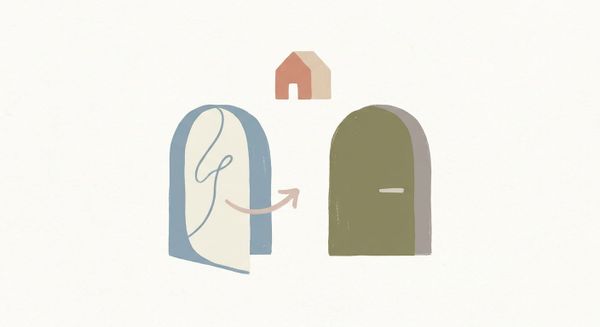
If your child can read closed syllables but gets confused by words like me, he, and baby, open syllables may be the next pattern to teach. This guide shows how to introduce them in a simple, structured way at home.

If your child keeps confusing b and d while reading, it does not mean reading practice is failing. Here is how to help with structured, reading-focused support.

Learn how dyslexia is assessed and diagnosed, from early screening signs to full evaluations, testing areas, professional diagnosis, and next-step recommendations.
On Dyslexia, Orton-Gillingham, and the Science of Reading
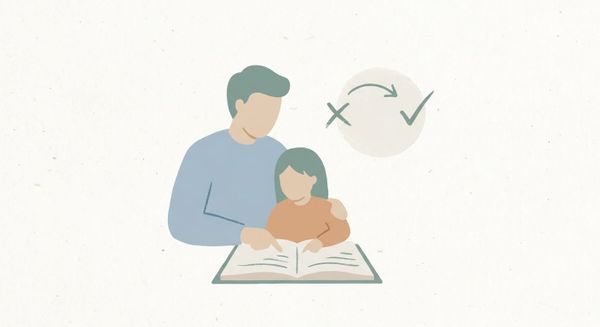
If your child makes mistakes during reading practice, it can be hard to know when to step in and what to say. This guide shows parents how to correct reading mistakes in Orton-Gillingham practice in a calm, helpful way.

If your child can read simple short vowel words but gets stuck on words like stop, flag, or best, blends may need more direct teaching. This guide shows how to teach blends in Orton-Gillingham at home in a simple, structured way.

If you are using Orton-Gillingham at home and your child still seems stuck, the problem may not be the method. Often, a few small shifts in pacing, review, or text choice can make practice work much better.
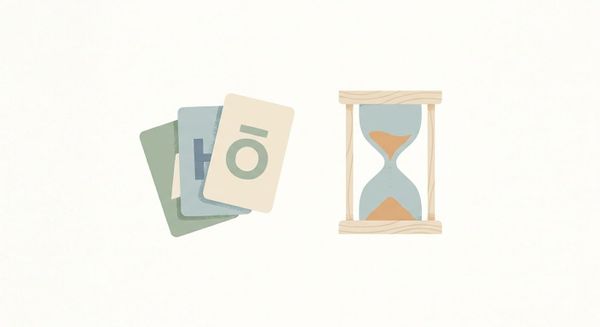
If home reading practice keeps ending in frustration, the problem may not be the routine itself. It may be that the practice is simply too long for your child right now.
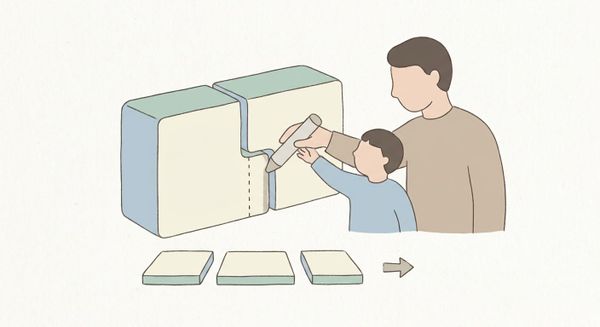
If your child can read short words but falls apart when words get longer, syllable division may be the next step. This guide shows parents how to teach it in a simple, structured way at home.
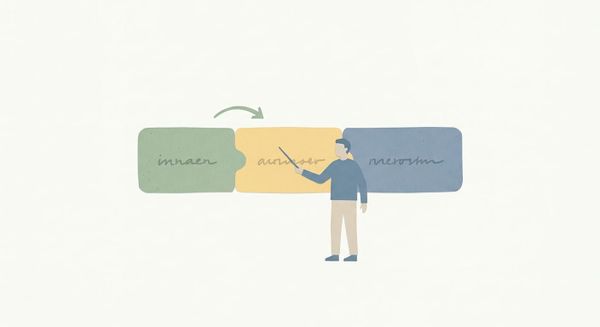
If your child can read short words but gets stuck on longer ones, multisyllable words may be the next big hurdle. This guide shows parents how to teach multisyllable words in Orton-Gillingham with clear, practical steps they can use at home.

If your child learned magic e but now gets confused by words that do not follow the pattern, this guide shows how to teach silent e exceptions without adding overwhelm.

If your child can read short words but gets stuck when words get longer, closed syllables may be the next skill to teach. This guide shows how to introduce them in a simple, structured way at home.

If your child can read short vowels and silent e but gets stuck on words like car, bird, and horn, r controlled vowels may be the next skill to teach. This guide shows how to introduce them in a simple, structured way at home.
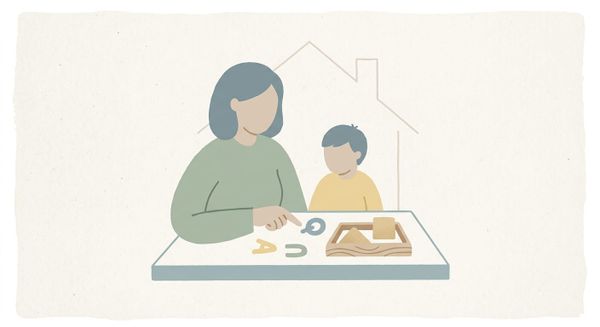
If your child forgets a skill they seemed to know last week, you may be wondering how to review Orton-Gillingham lessons at home without starting all the way over. This guide shows what useful review looks like and how to keep it short, clear, and effective.
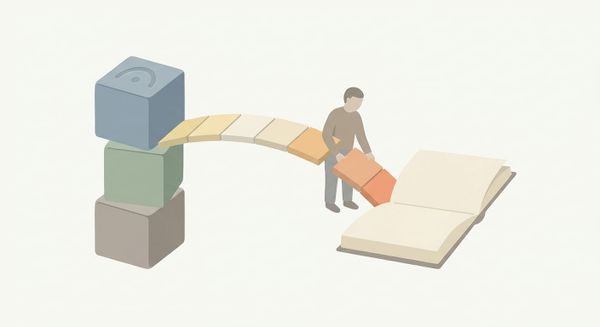
If your child learns a new reading pattern in practice but falls apart when it shows up in a passage, decodable text may be the missing bridge. This guide shows parents how to use decodable text after an Orton-Gillingham lesson in a simple, low-stress way.

If your child reads short vowel words but gets tripped up by sh, ch, th, or wh, this guide shows how to teach digraphs in Orton-Gillingham in a clear, simple way at home.