How to Choose Decodable Text for Orton-Gillingham Practice
If reading practice at home keeps ending in guessing or shutdown, the text may be the problem. Here is how to choose decodable text that actually fits Orton-Gillingham practice.


If your child can read a pattern during practice but falls apart once they open a book, you are not doing anything wrong. Often, the problem is not effort. It is the text.
Many parents hear that decodable reading is important, but then get stuck on the next question: what counts as the right decodable text for Orton-Gillingham practice?
If the passage is too hard, your child starts guessing. If it is too easy, practice does not do much. This guide will help you choose decodable text for Orton-Gillingham practice in a way that feels clear, useful, and manageable at home.
What makes a text decodable enough?
A decodable text should mostly contain words your child can read using the phonics patterns they have already been taught. That is what makes it useful.
For example, if your child is working on short vowels, simple CVC words, and a few beginning blends, a good passage might include words like sit, mop, flag, and stop. A poor match would include lots of vowel teams, suffixes, or irregular words they have not learned yet.
A quick way to check is this: when you scan the page, can your child decode most of the words with skills they already know?
If not, the text is probably not a good fit yet.
Looking for decodable practice that fits?
ReadGenie helps struggling readers improve their reading, spelling and handwriting with Orton-Gillingham practice at home. Your child reads out loud, the app listens, and it helps with the exact sound they missed.
Try ReadGenie free for 7 daysOr get the app on the App Store or Google Play
Can I trust a book's grade level or decodable label?
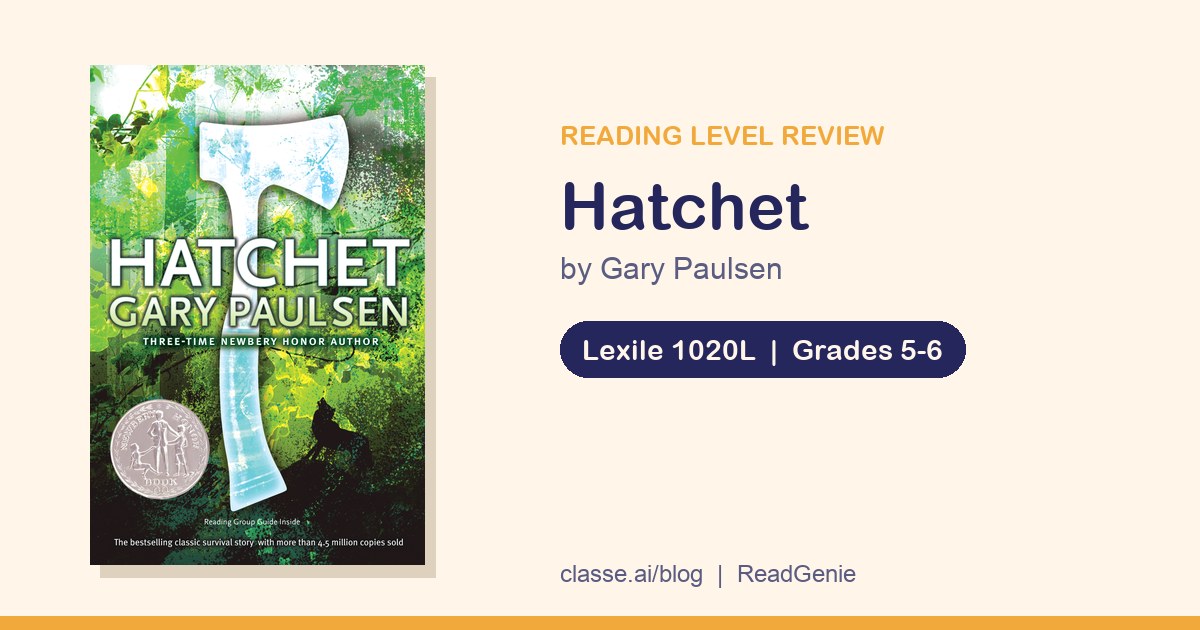
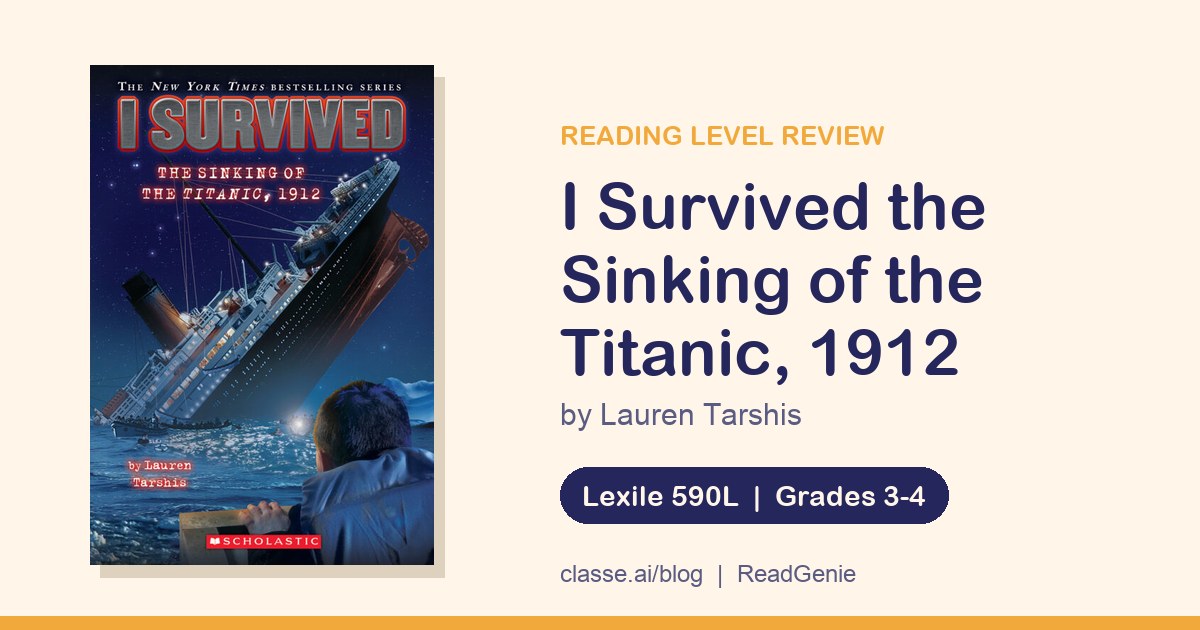
Not on its own. A label like beginning reader or grade 3 intervention tells you who a book was written for, not which phonics patterns are inside it. A passage marked for grades 3 to 4 can still be full of r-controlled vowels, contractions, and long multisyllable words your child has not practiced.
Even books sold as decodable can include too many irregular words, heavy vocabulary, or patterns from several lessons at once. So start with the pattern instead. Think about the skill your child is practicing right now, then check whether most words in the passage use it. If you cannot quickly tell what a text is targeting, it may not be structured enough for Orton-Gillingham practice.
This also means an older child may need passages built on earlier patterns. A fifth grader who is still working on silent e should read text that matches silent e, not text picked for fifth graders. That is okay. Practice works best when it meets your child where they are.
Should decodable text match the exact lesson?
Usually, yes.
The best decodable text for Orton-Gillingham practice gives your child repeated chances to use the skill they are currently learning, while still reviewing older skills. That is what helps reading transfer from drill work into actual reading.
If today’s focus is silent e, look for text with words like cap/cape, kit/kite, and hop/hope. If the text barely includes that pattern, it will not reinforce the lesson very well.
That does not mean every single word needs to match one rule. Real reading includes a mix. But the target pattern should show up enough for your child to practice it successfully.
Signs the text is too hard
Sometimes a child seems resistant to reading when the real issue is that the passage asks for skills they do not have yet.
Watch for these signs:
- your child guesses based on the first letter
- your child skips longer words right away
- reading sounds slow and panicked, not effortful but steady
- your child reads accurately in word practice but not in the passage
- frustration rises within the first few lines
If that happens, do not assume your child is not trying. Step back and look at the text itself.
A better match often changes the whole session.
How can I tell a passage is the right fit?
A good fit sounds like steady work. Your child is stretched but still in control. These are the signs to listen for.
- Your child reads most words by sounding through them.
- They make some mistakes but can often fix them.
- They finish the passage without melting down.
- They sound a little stretched, but not overwhelmed.
- They read it more accurately or more smoothly the second time.
That last sign is worth watching for. Good decodable text usually goes better on the second read. If the first read is rough and the second is clearly stronger, the passage is probably in the right range.
You can also check before the full read. Pick three to five words from the passage and have your child read them first. If those words already cause strain, the whole passage will probably be frustrating.
What should parents look for before using a passage?
You do not need to analyze every word like a reading specialist. A simple preview is enough.
Before using a passage, check these four things:
1. The target pattern shows up often
If your child is practicing vowel teams, suffixes, or multisyllable division, the passage should include enough examples to make that practice worthwhile.
2. Most words use known skills
A few stretch words are fine. Too many unfamiliar patterns are not.
3. Irregular words are limited
Some high-frequency irregular words will always appear. That is normal. But if the page is packed with words your child has to memorize instead of decode, it may not support the goal of the lesson.
4. The length fits your child’s stamina
A child who is still building accuracy may do better with one paragraph than a full story. Shorter practice is often more productive than pushing through too much.
Real-world example
Evan, a fourth grader with dyslexia, had just started learning vowel-consonant-e patterns. During card practice, he could read mad and made, fin and fine, and tap and tape. But when his mom handed him an early reader from the shelf, he shut down almost immediately.
The book looked simple, but it included patterns he had not learned yet, along with many irregular words. Evan started guessing from pictures and first letters, then said he hated reading.
The next day, his mom tried a short decodable passage that used silent e words again and again, with only a small number of review words. This time, Evan still had to work, but he could actually apply the pattern. He finished the passage, reread it once, and sounded proud instead of defeated.
That is the difference the right text can make.
Simple ways to make decodable reading more successful
If you want to choose decodable text for Orton-Gillingham practice more confidently, start here:
- preview the passage before your child reads it
- underline or note the target pattern so you know what they will practice
- stop after a short section if accuracy drops too much
- reread the same matched passage once or twice across a few days instead of switching texts too fast
Small changes like these can make home reading feel calmer and more productive.
How much challenge is okay?
Some struggle is normal. Your child does not need text that feels effortless.
What you want is productive challenge. That means the passage makes your child work, but the work stays connected to skills they actually know. They may need to slow down, tap sounds, or reread a line. That is fine. The goal is effort with success, not perfection on the first try.
If the text leads to constant guessing, tears, or complete dependence on your help, it is probably beyond the right level for practice.
What if decodable books feel boring or too young for my child?
Look for passages that are controlled but still respect your child's age. Decodable text needs simple patterns, but it does not have to feel flat.
This matters most for older kids. A fourth grader working on basic patterns still deserves topics that do not feel too young, and a struggling reader who feels embarrassed by a book loses motivation fast. Short, focused passages that are interesting without being distracting usually work better than a long, younger-looking story. A little choice helps too. Let your child pick between two decodable options, or use short passages tied to something they care about.
Keep the two kinds of reading separate. Decodable text is for practice, where your child applies a pattern with support, and it does not have to sound smooth or advanced yet. For richer language and stories, read aloud to your child at another time, or end practice with a read-aloud that is just for fun. That way books stay enjoyable and not every reading moment turns into a test.
A good decodable text should help your child use what they know
When decodable reading is matched well, it gives your child a chance to connect phonics practice to real reading. That is where confidence starts to build.
You do not need the perfect book every time. You just need text that lines up with the skill your child is learning, includes enough review, and does not overload them.
You might also find this helpful: What Order to Teach Orton-Gillingham at Home
Make practice at home easier
Short daily sessions of reading, spelling and handwriting practice, built with Orton-Gillingham teachers. It works alongside tutoring and school support. The first 7 days are free.
Try ReadGenie free for 7 daysOr get the app on the App Store or Google Play