How to Correct Mistakes in Orton-Gillingham Without Frustration
If every reading mistake turns into tension, you may not need a new lesson. You may just need a better way to correct errors. Here is how to correct mistakes in Orton-Gillingham without breaking your child’s focus or confidence.

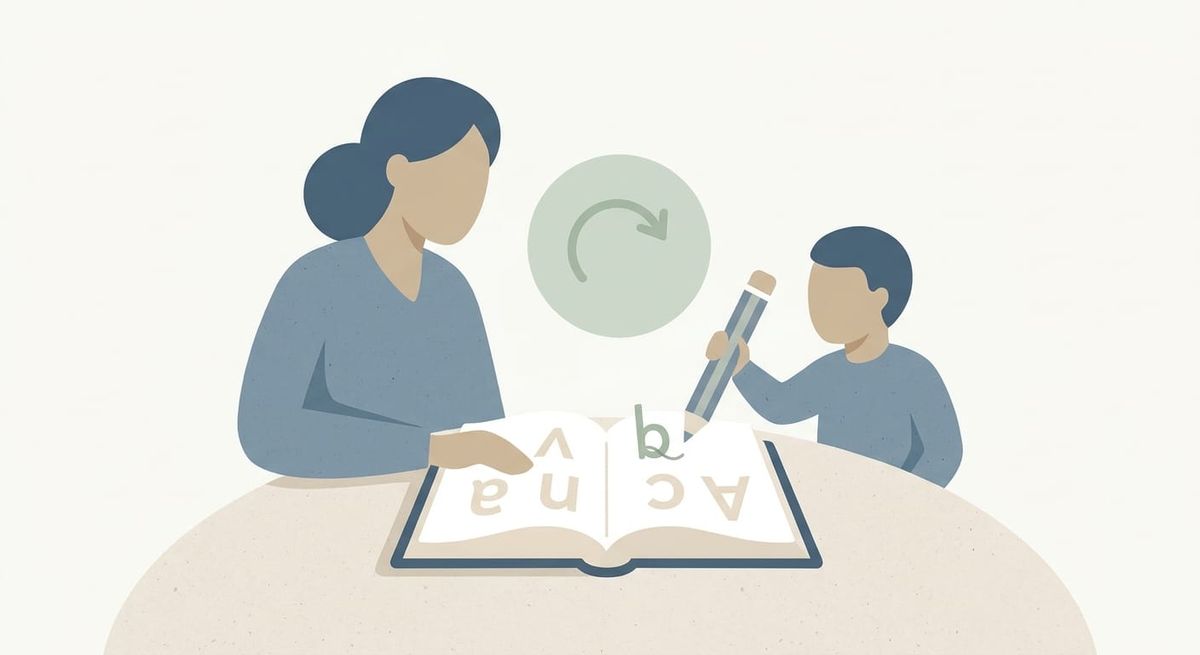
If your child gets one word wrong and the whole lesson starts to unravel, you are not alone. Many parents want to help, but in the moment it is hard to know what to say. Correct too fast, and your child may feel criticized. Wait too long, and the mistake can stick.
The good news is that learning how to correct mistakes in Orton-Gillingham is less about saying the perfect thing and more about following a simple pattern. The goal is not to point out errors. The goal is to guide your child back to the right process so they can read the word successfully.
Why correction matters in Orton-Gillingham
In an Orton-Gillingham lesson, mistakes give you useful information. They can show whether your child forgot a sound, skipped a step, guessed from the first letter, or tried to read a word that was not fully secure yet.
That means a correction should do two things:
- stop the wrong pattern from taking over
- help your child use the right strategy right away
A calm correction teaches more than just the word on the page. It teaches your child what to do the next time they get stuck.
Should you correct every mistake right away?
Usually, yes, but not with a long explanation.
If your child reads a word incorrectly and keeps going, it is often better to pause and fix it in the moment. That is especially true when the mistake changes the sounds, pattern, or meaning of the word.
But correcting right away does not mean turning the lesson into a lecture. In most cases, the best correction is short, direct, and supportive.
You might say things like:
- “Try that again and look at all the sounds.”
- “Start at the beginning.”
- “Touch each sound.”
- “What sound does this team make?”
These prompts work better than just saying, “No, that’s wrong,” because they tell your child what to do next.
What should you say when your child gets a word wrong?
A simple correction routine can keep practice from getting emotional.
1. Pause quickly
Do not let the wrong reading sit there too long. Stop gently and keep your tone neutral.
2. Point back to the pattern
Bring your child’s attention to the part of the word that matters. That might be a vowel team, suffix, syllable break, or individual sounds.
3. Prompt, do not rescue too fast
Give just enough help for success. If your child can fix it with a reminder, let them do that work.
4. Have them read it correctly
Once they get the word, ask them to read it again the right way.
5. Return to the sentence or line
Go back just far enough so the correct word is read smoothly in context.
This kind of correction keeps the lesson structured. It also helps your child feel that mistakes are part of learning, not proof they cannot do it.
When correction turns into frustration
Sometimes the problem is not the correction itself. It is that the child is already overloaded.
If your child starts groaning, shutting down, or getting silly every time you step in, look for signs like these:
- too many hard words in one lesson
- reading practice that has gone on too long
- repeated correction without enough success
- a skill that is not actually secure yet
In that case, the best move may be to shorten the task, go back to an easier word list, or review the pattern before returning to the text.
A child who makes the same mistake over and over is not always being careless. Often they need less pressure and more support around one specific skill.
A real-world example
Let’s say Maya is reading the word train and says “tan.” Her mom immediately says the word for her. Maya repeats it, but when the next vowel team shows up, she guesses again.
The next day, her mom tries a different approach. When Maya says “tan,” she pauses and says, “Look at the middle. What sound do these two letters make?” Maya says the vowel team sound, then blends the word: “train.” Her mom asks her to read the whole sentence again.
That small shift matters. Maya is not just being told the right answer. She is being guided back to the decoding step she missed.
Practical tips parents can try
Here are a few simple ways to correct mistakes in Orton-Gillingham more effectively at home.
Keep your correction words consistent
Use the same two or three prompts often. That makes correction feel familiar instead of reactive.
Correct the strategy, not just the word
If your child guessed, prompt them to decode. If they skipped a suffix, point to the ending. Match the correction to the error.
Watch for patterns
If the same kind of mistake keeps happening, write it down. You may notice that blends, vowel teams, or multisyllable words need extra review.
End with success
After a hard moment, give your child one or two words or sentences they can read well. That helps the lesson end on steadier ground.
What if your child gets upset every time?
If correction itself has become a trigger, make your response smaller and calmer.
Try:
- lowering your voice
- using fewer words
- pointing instead of over-explaining
- taking a quick break after two or three tough errors
You do not need to act like mistakes do not matter. You just want to respond in a way that keeps your child engaged enough to try again.
Keep correction short, clear, and encouraging
When you correct mistakes in Orton-Gillingham, you are not just fixing a word. You are teaching your child how to recover when reading gets hard. That matters a lot for struggling readers, especially those who are used to feeling wrong.
A short, calm prompt can protect confidence while still building skill. Over time, that kind of correction helps your child rely less on guessing and more on what they actually know.
You might also find this helpful: What to Do When Your Child Guesses Words in Orton-Gillingham
If you want extra support between lessons, ReadGenie gives kids structured phonics practice with repetition, decodable reading, and dyslexia-friendly routines grounded in Orton-Gillingham principles. You can explore it here: App Store or Google Play.



