How Long Does a Dyslexia Evaluation Take?
If your child has a dyslexia evaluation coming up, one of the first questions you may have is how long it will take. Here is what most parents can expect and how to make the process feel easier.

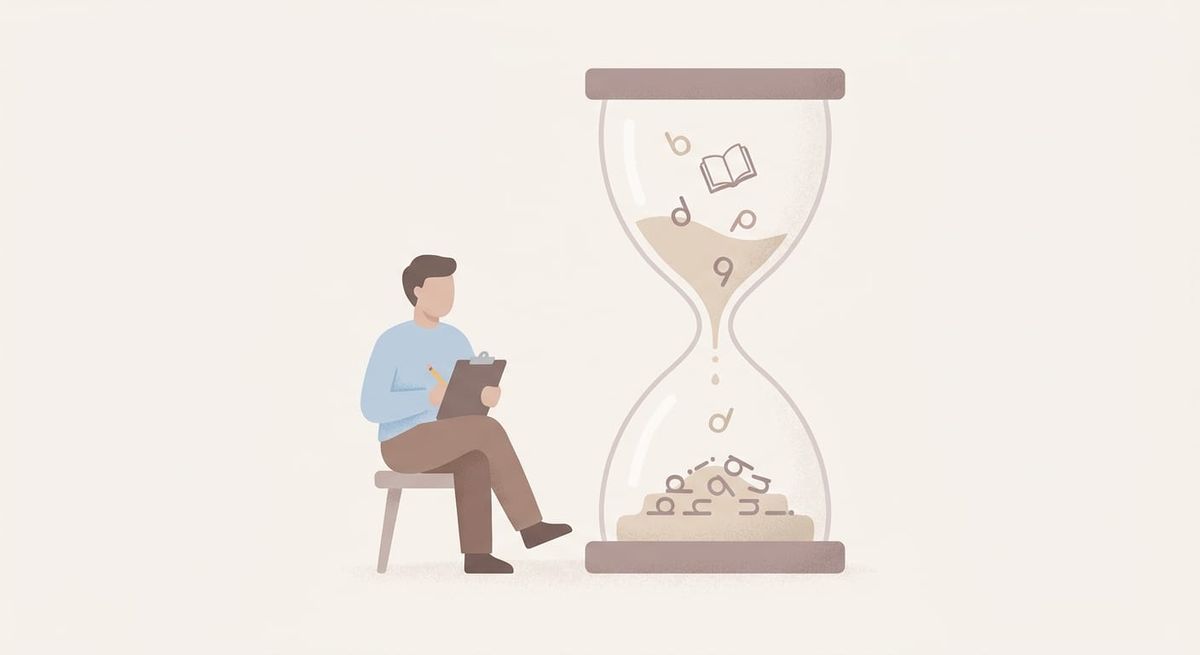
If your child has a dyslexia evaluation coming up, you may be wondering how long the whole thing will take and whether your child can realistically get through it without melting down.
That is a very normal concern. Testing can sound intimidating when you do not know whether it means one short meeting, a full day of appointments, or weeks of waiting.
If you are asking how long does a dyslexia evaluation take, the short answer is that it usually happens over one to three appointments, with actual testing often lasting two to six hours total. Some children finish in one longer session. Others do better when testing is split up.
This guide will walk you through what affects the timeline, what the day usually looks like, and how to help your child feel more prepared.
Why the timeline can vary
There is no one exact schedule for every dyslexia evaluation. The total time depends on a few things:
- your child’s age
- how many areas are being tested
- whether the evaluator is checking for ADHD, language issues, or other learning differences too
- how quickly your child gets tired
- whether testing is done privately or through school
A focused reading evaluation may be shorter. A full psychoeducational evaluation usually takes longer because it looks at more than reading alone.
That is why two families can both say their child had dyslexia testing and mean very different things.
How long is each dyslexia testing appointment?
Many parents expect one big testing day, but that is not always how it works.
A child might have:
- one appointment lasting about 2 to 3 hours
- two shorter appointments spread over a few days
- several sessions if attention, fatigue, or scheduling is a concern
Evaluators often break testing into smaller blocks for kids who tire easily or shut down when work feels long. For a child who already finds reading stressful, shorter sessions can lead to better, more accurate results.
There is also usually time outside the actual testing session for parent questionnaires, teacher forms, record review, scoring, and the feedback meeting.
What happens before and after the testing itself?
When parents ask how long a dyslexia evaluation takes, they are often thinking only about the testing appointment. But the full process is usually longer than that.
Before testing, you may need to:
- fill out developmental and school history forms
- share report cards or past testing
- complete behavior checklists
- talk with the evaluator about your concerns
After testing, the evaluator still has to score the results, interpret patterns, and write a report. Then there is usually a follow-up meeting to explain what they found.
So even if the testing itself takes only a few hours, the full process from first paperwork to final results may take several days to a few weeks.
Will my child do all the testing in one day?
Sometimes, yes. But not always.
A child who is comfortable with structured tasks and has good stamina may finish in one session. Another child may start strong and then lose focus, especially if reading already feels frustrating or embarrassing.
A good evaluator watches for signs of fatigue. If your child starts guessing, fidgeting, or shutting down, that can affect performance. Splitting testing into more than one session is not a bad sign. It is often the better choice.
A real-world example
One parent might bring in a fifth grader named Lucas who is bright, curious, and full of ideas but falls apart during reading homework. His evaluation starts with a parent interview and questionnaires before the appointment. Then Lucas does about two hours of testing on a Tuesday morning.
By the end, he is clearly tired. Instead of pushing through, the evaluator schedules a second one-hour session later that week. A few days after that, the parent comes back for a feedback meeting and gets a written report with recommendations.
So even though Lucas only did about three hours of testing, the full evaluation process stretched across nearly two weeks. That is very common.
How can you make the day easier for your child?
You do not need to over-prepare, but a little planning helps.
Here are a few simple things that can make testing go more smoothly:
- tell your child this is not a pass-or-fail test
- schedule the appointment at a time when your child is usually most alert
- bring water and an easy snack if allowed
- avoid stacking the day with extra stress before or after the appointment
It also helps to use calm, simple language. You might say, “This is to help us understand how you learn best.” That usually feels less scary than talking about problems or struggles.
What should you ask the evaluator ahead of time?
If you want a clearer sense of the timeline, ask these questions before the appointment:
- How many sessions do you expect my child will need?
- About how long is each session?
- Will there be breaks?
- When should we expect the written report?
- When do we meet to go over the results?
Those questions can help you plan and lower your own stress too.
You do not need to guess your way through it
A dyslexia evaluation does not always happen in one sitting, and that is okay. What matters most is getting a clear picture of your child’s reading profile, not rushing through the process.
If you know the timeline may include paperwork, testing, scoring, and a follow-up meeting, it becomes much easier to prepare.
You might also find this helpful: What Happens at a Dyslexia Evaluation? A Parent Guide
And while you are waiting for answers, daily reading support still matters. ReadGenie gives kids extra practice with structured phonics, repetition, and decodable reading based on Orton-Gillingham principles and the Science of Reading. If you want something supportive to use at home, you can check it out here: App Store and Google Play.



