How to Handle Orton-Gillingham Resistance After School
If your child melts down at the idea of reading practice after school, the problem may not be motivation. It may be timing, mental fatigue, or too much demand at the wrong part of the day.

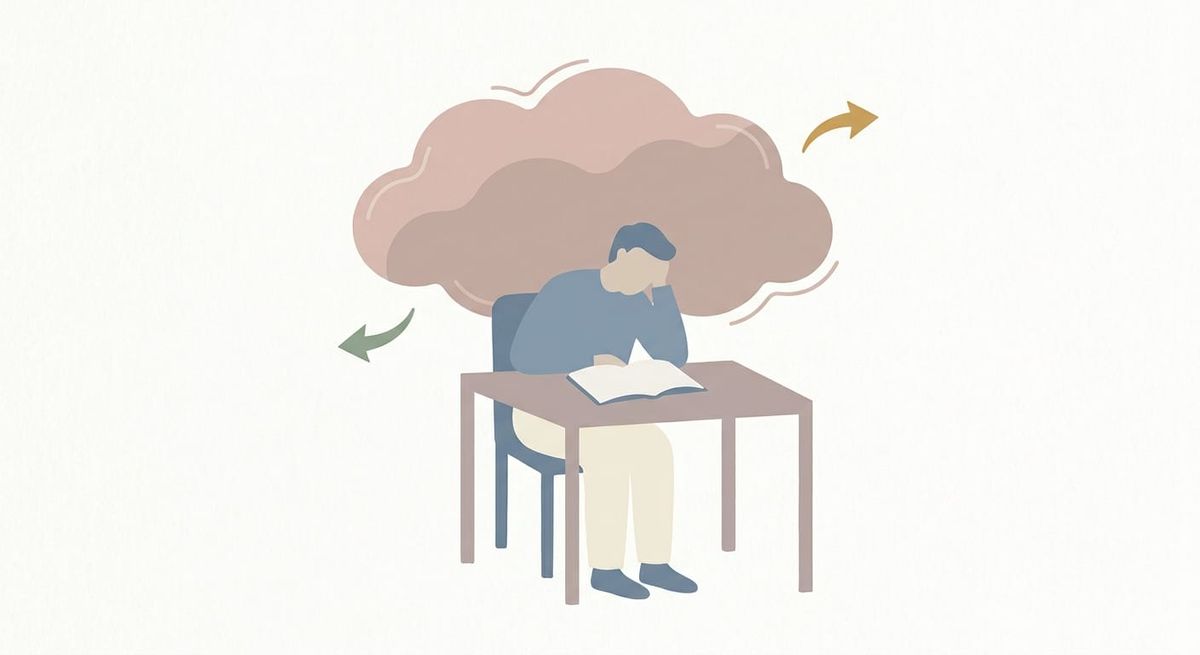
If your child pushes back the moment you mention reading practice after school, you are not doing anything wrong. Many kids, especially children with dyslexia, are already mentally worn out by the time they get home. By late afternoon, even a short Orton-Gillingham session can feel huge to them.
The good news is that after-school resistance does not always mean the method is wrong or that your child is refusing to try. Often, it means the timing, pace, or setup needs to change. This post will help you figure out what is getting in the way and what to do next.
Why does Orton-Gillingham feel harder after school?
After school, many children are running low on attention, patience, and energy. They may have spent the whole day holding it together in class, trying to keep up, and covering for skills that still feel hard. When they get home, the effort they were using all day starts to show.
That is why a child who can handle reading work in the morning may suddenly cry, argue, stall, or shut down at 4:30.
A few common reasons this happens:
- your child is hungry or overstimulated
- the session starts too soon after getting home
- the work still feels effortful, even if it looks simple to you
- your child connects reading practice with feeling behind
- the routine has become predictable in a bad way, meaning it always ends in stress
Resistance after school is often a sign of overload, not laziness.
Is it better to push through or take a break?
Parents often worry that if they back off, progress will stop. But pushing through a full meltdown usually does not lead to better reading practice. It often teaches your child to dread the routine before it even begins.
A short reset is usually more helpful than a power struggle.
That might mean:
- a snack first
- 20 to 30 minutes of downtime
- movement before sitting down
- shifting practice to a later time in the evening
- doing a much shorter review-based session on harder days
The goal is not to remove structure. The goal is to make the structure doable.
If your child is resisting every day, it is worth asking whether after school is simply the wrong time. Some families do better before dinner. Others do better in the morning, on weekends, or only on a few set weekdays.
What should you change first?
When Orton-Gillingham after school resistance keeps happening, do not change everything at once. Start by adjusting one or two things and see whether the pattern improves.
1. Shorten the session
If practice usually lasts 20 to 30 minutes, try 10 to 15 instead. A shorter successful session is better than a longer one that ends in tears.
2. Start with something easy
Open with a quick review of a skill your child can do. That helps them feel successful before they hit anything more demanding.
3. Cut extra talking
When kids are tired, too much explanation can make things worse. Use clear, simple directions and keep the pace steady.
4. Watch for the true sticking point
Sometimes the resistance is not about all of practice. It is about one part, like dictation, spelling, or reading aloud. If you spot the exact trigger, you can adjust that piece instead of assuming the whole session is failing.
What does this look like in real life?
Let’s say a fourth grader named Evan comes home from school cranky every day. His mom tries to start reading practice right after his backpack hits the floor because she knows the evening gets busy. Evan groans, wanders off, and eventually ends up under the table crying when it is time to read word lists.
At first, it looks like he is refusing to cooperate. But after a closer look, his mom notices a pattern. He is hungry, tired, and most upset during the hardest part of practice.
So she changes three things. Evan gets a snack first. Practice starts 30 minutes later. And instead of a full session, they do 12 minutes with one quick review, one short decoding task, and one decodable passage.
A week later, Evan still does not love it, but the battles are smaller and he is actually finishing. That is progress.
What can parents try this week?
If you want to reduce after-school resistance without dropping the routine, start small.
- pick a consistent practice time, but not the second your child gets home
- keep a snack and water ready before you begin
- use a timer so your child can see the session has an end
- stop while things are still going reasonably well instead of dragging practice past the point of usefulness
You do not need the perfect routine. You need one your child can tolerate consistently.
When resistance means the work itself needs attention
Sometimes timing is only part of the problem. If your child resists even after rest, snacks, and shorter sessions, the lesson content may need a closer look.
Ask yourself:
- Is the practice too hard right now?
- Is there too much new material at once?
- Is my child being asked to read patterns they have not really mastered?
- Are we spending enough time reviewing?
If the answer to any of those is yes, the issue may be less about after school and more about lesson match.
You might also find this helpful: How Long Should Orton-Gillingham Practice Be at Home?
Conclusion
Orton-Gillingham after school resistance usually does not mean your child is being difficult. More often, it means they are tired, overloaded, or being asked to do hard work at the wrong moment of the day.
Small changes can make a big difference. Shorter sessions, better timing, and a calmer start often help children do more with less stress.
If you want extra support, ReadGenie gives kids structured, systematic reading practice with decodable texts, repetition, and skills that build step by step. It can be a helpful way to keep practice consistent without putting all of it on you. You can check it out here: App Store and Google Play.



