What to Do When Orton-Gillingham Homework Takes Too Long
If Orton-Gillingham homework stretches far past your child’s limit, more time is not always better. Here is how to make practice shorter, calmer, and more useful.

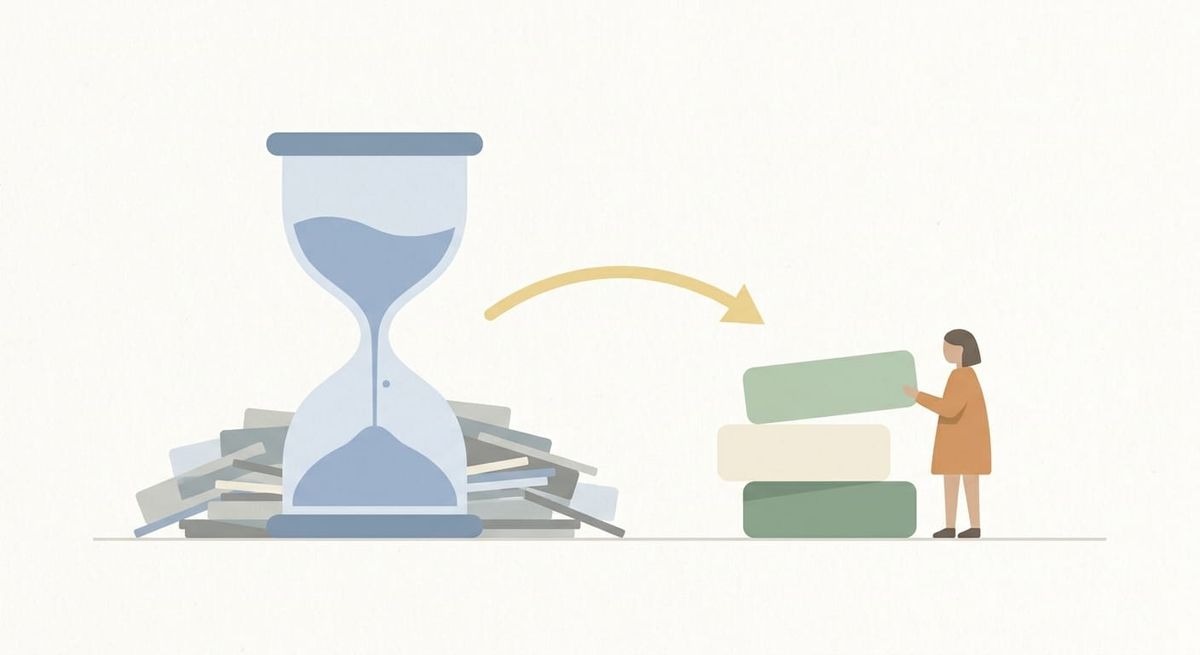
If Orton-Gillingham homework turns into a 45-minute struggle every night, you are not the only parent dealing with it. What should be short reading practice can start to feel like a second school day. Your child gets tired, you start repeating directions, and by the end nobody feels like it helped.
The good news is that long homework is not always a sign your child needs more pressure. Sometimes it is a sign the practice needs better boundaries, clearer steps, or a smaller target. If you are dealing with Orton-Gillingham homework that takes too long, this post will help you figure out what is slowing things down and what to change.
Why does Orton-Gillingham homework take so long?
There are a few common reasons this happens.
First, the work may simply be too much for home. A child who can handle a skill with a teacher beside them may not be able to do the same amount independently at the end of a long school day.
Second, the homework may include too many different tasks at once. If your child has to read words, spell words, review cards, read a passage, and correct mistakes all in one sitting, the transition time alone can stretch the whole thing out.
Third, your child may still need more support with the skill itself. Slow reading, guessing, avoidance, and frequent errors can all make a short assignment feel much longer.
And sometimes the issue is not the lesson. It is timing. Starting homework when your child is hungry, tired, or already upset can double the effort required.
How long is too long?
In most cases, Orton-Gillingham homework at home should feel short, focused, and doable. If it regularly ends in tears, stalling, repeated prompting, or total mental fatigue, it is probably going past your child’s useful limit.
A simple way to judge it is this: if the last part of practice looks much worse than the first part, the session may be too long. When children are still learning to decode accurately, pushing past that point often leads to guessing, sloppy work, and frustration instead of better reading.
That does not mean stopping at the first complaint. It means noticing when effort stops being productive.
What should you cut first?
If Orton-Gillingham homework takes too long, many parents try to push through faster. Usually it works better to cut before you push.
Start by trimming anything that feels like extra load rather than core practice. That may mean:
- reading fewer words instead of the whole list
- doing one review activity instead of three
- reading part of the decodable passage instead of every line
- stopping after strong effort on one skill instead of covering everything
The goal is not to lower expectations. The goal is to protect accuracy and attention.
If your child reads 10 words carefully, that is often more useful than rushing through 25 words with stress and guessing.
What can parents do in the moment?
When homework is dragging, try to shift from finishing everything to getting one useful win.
You can say things like:
- “Let’s do five good words and stop.”
- “We are going to finish this one part, not all of it.”
- “I care more about careful reading than doing every item.”
This helps your child feel the work has a clear end point. Many struggling readers panic when homework feels endless. A visible stopping point lowers resistance.
It also helps to separate correction from volume. If every mistake turns into a long teaching moment, the assignment expands fast. Correct briefly, practice once or twice, then move on.
A real-world example
One parent might sit down with a fourth grader who has a word list, sound review cards, and a decodable paragraph. The teacher expects about 15 minutes of review, but at home it takes 40. The child reads the first few words carefully, then starts guessing, rubbing their eyes, and asking how much is left every two minutes.
Instead of insisting on the full routine, the parent shortens the plan. They review five sound cards, read eight words, and do only the first half of the paragraph. The child finishes in 12 minutes with fewer mistakes and no meltdown.
That shorter session is not a failure. It gives the child a better chance of coming back tomorrow ready to work again.
Simple things to try tonight
If you need to make homework more manageable right away, start here:
- Set a short timer before you begin. A clear limit helps both you and your child.
- Pick the most important part first. Do not save the hardest or most useful practice for the end.
- Stop after accurate effort drops off. Do not wait for a full meltdown.
- Tell the tutor or teacher what is happening. Homework that regularly takes too long is useful information, not a complaint.
When should you talk to the teacher or tutor?
If Orton-Gillingham homework takes too long several times a week, bring it up. Parents sometimes worry this sounds like they are not willing to help. In reality, it helps the teacher know whether the amount, level, or format needs adjusting.
You do not need a perfect report. Just share what you are seeing: how long it takes, where your child gets stuck, and what happens near the end. That makes it easier to decide whether the child needs less volume, more review, or a simpler home routine.
One helpful next step
You might also find this helpful: How Long Should Orton-Gillingham Lessons Be at Home?
It can help you figure out what a realistic practice length looks like so homework does not stretch past your child’s limit.
Conclusion
If Orton-Gillingham homework takes too long, the answer is not always to work harder or stay at the table longer. Often the better move is to shorten the task, protect accuracy, and end while your child still has something left.
A shorter, calmer session done consistently usually helps more than a long one that ends in frustration.
If you want extra support between lessons, ReadGenie gives children structured phonics practice with repetition and decodable reading built for struggling readers. You can explore it here: App Store and Google Play.



