How to Handle Orton-Gillingham Resistance at Home
If your child resists Orton-Gillingham practice at home, it does not always mean the routine is failing. Here is how to respond in a calm, practical way that keeps reading support useful.

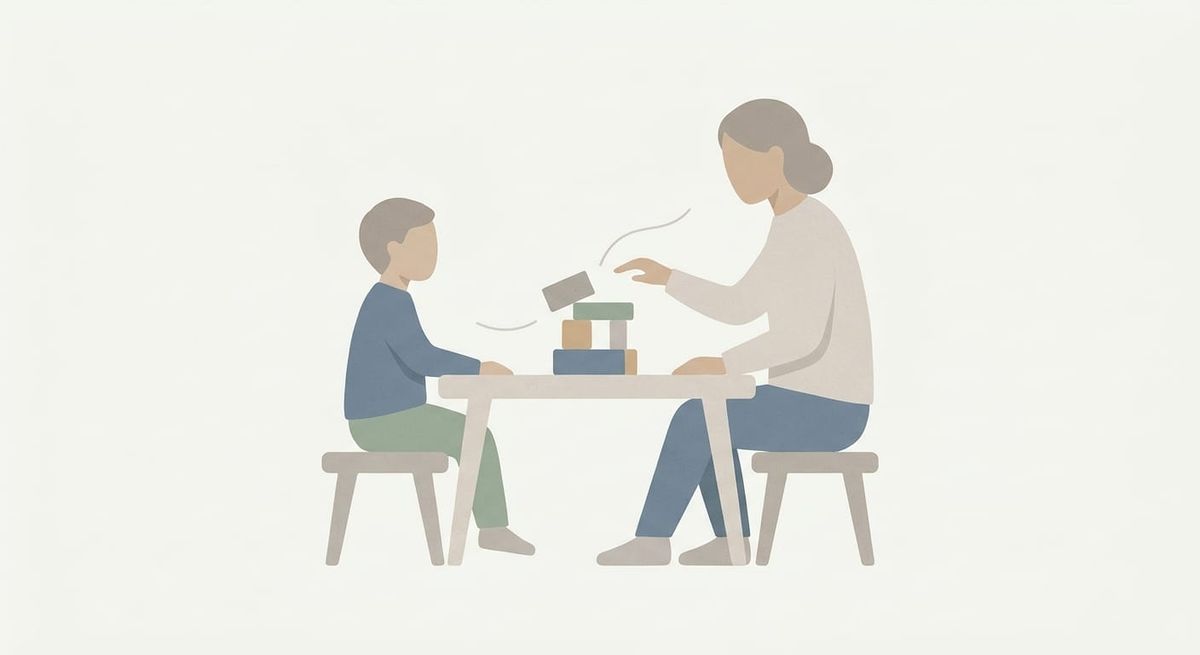
If your child groans, stalls, argues, or suddenly needs a snack the minute reading practice starts, you are not imagining it. Orton-Gillingham resistance at home is common, especially when a child already feels tired, embarrassed, or unsure.
The hard part is knowing what the resistance means. Sometimes a child is avoiding effort. Sometimes the work feels too hard. Sometimes they are simply done for the day.
This guide will help you figure out what is behind the pushback and what to do next so practice stays supportive instead of turning into a nightly fight.
Why does Orton-Gillingham practice trigger resistance?
Most children do not resist because they want to be difficult. They resist because reading has become tied to stress.
A child with dyslexia may have spent years feeling behind, corrected, or worn out by school. Even a short practice session at home can bring all of that up. If the lesson starts to feel like another chance to fail, resistance makes sense.
At home, pushback often comes from one of four things:
- the skill is not fully secure yet
- the lesson is too long
- the child is mentally spent
- the routine feels emotionally heavy
When you know which one is happening, your response gets much easier.
What kind of resistance are you seeing?
Not all resistance means the same thing. A quick pattern check can help.
If your child complains before you even begin, the routine itself may feel loaded. If they start fine but fall apart halfway through, stamina may be the issue. If they get upset only on certain word types or spelling tasks, the skill may still be shaky.
Look for clues like these:
- Delay tactics: wandering off, sharpening pencils, asking unrelated questions
- Emotional pushback: whining, snapping, tears, saying “I hate this”
- Task avoidance: refusing to read aloud, skipping words, guessing quickly
- Sudden fatigue: rubbing eyes, slumping, losing focus after a few minutes
Try to notice when the resistance starts, not just that it happens. That tells you whether to adjust the timing, the difficulty, or the structure.
Do you push through or stop?
Parents often get stuck here. If you stop every time your child resists, practice becomes inconsistent. But if you push through every time, you can make the routine harder to restart tomorrow.
A better goal is to stay steady without getting rigid.
If your child is mildly resisting but can still do the task with support, shorten the session and keep going. If your child is clearly overwhelmed, stop the hard part and switch to something easier they can finish successfully.
That might mean:
- reading five review words instead of twenty
- doing one sentence of dictation instead of a full page
- ending with a decodable passage they can manage
- taking a two-minute break and then returning for one small win
The session does not have to be perfect to count. A calm, smaller session is often more useful than a full lesson that ends in tears.
What helps reduce resistance over time?
The best fix for Orton-Gillingham resistance at home is not more pressure. It is a routine your child can actually tolerate.
Start by making the session more predictable. Use the same order each time, keep materials ready, and tell your child exactly how long it will last. Many kids resist less when the work feels finite.
Next, tighten the lesson. Home practice is usually better when it is short and focused. If you are doing too many parts, your child may be using all their energy just trying to hang on.
It also helps to build in success early. Begin with something your child can do. That shifts them out of defense mode.
Finally, watch your correction style. If every error is met immediately and intensely, some children start bracing before they even try. Calm, brief correction helps them stay engaged.
A real-world example
Maya, a fifth grader with dyslexia, fought reading practice almost every night. The minute her mom brought out the cards, Maya would say she was tired, thirsty, or had too much homework. When they did start, Maya guessed at longer words and shut down during spelling.
Her mom assumed Maya was refusing to cooperate. But after watching more closely, she noticed the pattern. Maya could handle review words. The resistance spiked when the lesson moved to newer vowel teams and longer dictation.
Instead of forcing the full routine, her mom cut practice to ten minutes, started with three easy review words, and reduced dictation to one sentence. She also moved practice earlier, before homework fatigue set in.
Within two weeks, Maya was still not excited about reading, but the nightly battles eased. She was doing the work, recovering faster from mistakes, and ending practice without tears. That was real progress.
Practical things to try this week
If Orton-Gillingham resistance at home has become a pattern, start small.
1. Name the session length before you start
Say, “We are doing ten minutes, then we are done.” Short and clear feels safer than open-ended.
2. Start with one easy success
Begin with a word pattern, card, or short passage your child knows. Early success lowers defensiveness.
3. Cut one piece that is dragging the lesson down
If dictation always causes a spiral, shorten it for now. Keep the structure, but lower the load.
4. End on something your child can do
Do not save the easiest part for last by accident. Use it intentionally so the session ends with competence, not defeat.
You might also find this helpful: What to Do When Orton-Gillingham Homework Causes Fights
If practice has started to feel tense for everyone, that guide can help you lower conflict and make home support feel more manageable.
Conclusion
Orton-Gillingham resistance at home does not automatically mean your child is being lazy or that the routine is not working. Often, it is a sign that something needs adjusting.
When you respond calmly, shorten what is too heavy, and protect small wins, practice becomes easier to stick with. That is what helps progress grow over time.
If you want extra support, ReadGenie gives children structured, dyslexia-friendly reading practice with decodable passages, repetition, and a clear path forward. You can explore it here: App Store or Google Play.



