How to Teach Orton-Gillingham Sound Cards at Home
If you have heard that sound cards matter in Orton-Gillingham but are not sure what to actually do with them, this guide shows a simple way to use them at home without overwhelm.

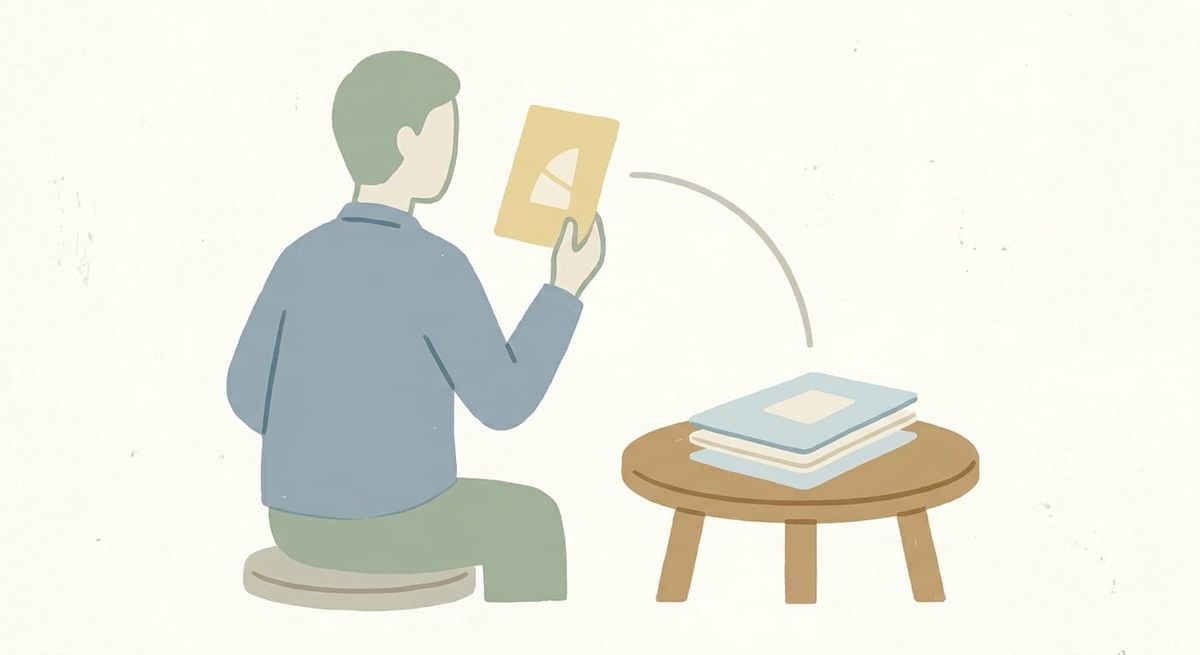
If your child is learning to read with an Orton-Gillingham approach, you may keep hearing about sound cards. But once you sit down at the table, it is easy to wonder what that really means. Do you flip through them like flashcards? Do you say the letter name or the sound? How long should it take?
If that part has felt confusing, you are not alone. This post will show you how to use orton gillingham sound cards at home in a way that is simple, structured, and actually helpful for your child.
What are sound cards for in Orton-Gillingham?
Sound cards are used to help your child quickly connect what they see to what they say and remember. In Orton-Gillingham, the goal is not just memorizing letters. The goal is building a strong link between a written pattern and its sound.
That means your child is not only looking at m and saying /m/. Over time, they are also learning larger patterns like sh, th, ck, or vowel teams. These patterns need quick, repeated review so they become easier to recognize during real reading.
Used well, sound cards help with:
- faster sound recall
- stronger decoding
- better memory for phonics patterns
- smoother reading in words and passages
If your child often knows a pattern one day and forgets it the next, sound card review can help fill that gap.
How do you use sound cards without it feeling like drill?
This is where many parents get stuck. Sound cards are helpful, but only when they stay short and focused.
A simple routine works best:
- Show one card.
- Your child says the sound.
- If needed, prompt right away.
- Move on quickly.
That is it.
You do not need a long lesson. In most cases, 2 to 5 minutes is enough. The goal is quick review, not a battle.
Try to include:
- a few known cards for confidence
- one or two newer patterns
- extra review of cards your child confuses often
If your child mixes up b and d, or forgets vowel teams like oa and ai, keep those in the review stack more often.
Which sound cards should you practice?
You do not need a huge pile. In fact, too many cards can make review sloppy and frustrating.
Start with the patterns your child is actively learning. That may include:
- single consonants
- short vowels
- digraphs like sh and ch
- blends or common spelling patterns
- vowel teams already introduced
Keep the stack small enough that your child can stay accurate.
A good rule is this: if the review is getting fast but messy, the stack is probably too big. If it is short, accurate, and calm, you are closer to the right amount.
What if your child gets a sound card wrong?
Correct it right away and keep it simple.
You can say, “This says /sh/. Say /sh/.” Then have your child repeat it and come back to that card again a little later.
Try not to turn mistakes into a quiz. The point is not to catch your child being wrong. The point is to strengthen recall.
If one card keeps causing trouble, that usually means your child needs more repetition, not more pressure.
You can also connect the card to a keyword or example word if that helps your child remember. For example:
- sh as in ship
- ch as in chin
- oa as in boat
Keep the support brief so the routine still moves.
A real-life example
Let’s say Maya is in fourth grade and has started guessing when she reads longer words. Her mom notices that Maya can read shop one day but then hesitates on shut the next. The issue is not that Maya has never learned sh. The issue is that the pattern is not automatic yet.
So instead of asking Maya to reread a whole page right away, her mom spends three minutes each afternoon reviewing sound cards: sh, ch, th, a, i, oa. When Maya misses th, her mom gives the sound, has her repeat it, and moves on.
After a week, Maya starts recognizing those patterns faster inside words. Reading still takes effort, but she is no longer stopping at every familiar pattern as if she has never seen it before.
That is what sound card practice is for. It supports the reading that comes next.
Simple tips for using orton gillingham sound cards at home
Here are a few ways to make practice more useful:
Keep it short
Stop before your child is exhausted. A few strong minutes help more than a long session that falls apart.
Mix easy and hard cards
Too many hard cards can make your child shut down. Mix in known patterns so practice feels successful too.
Watch for hesitation, not just errors
If your child gets a card right but takes a long time, that pattern may still need review.
Use sound cards before reading
A quick review right before word reading or decodable text can help your child notice those same patterns in context.
When are sound cards enough, and when do you move on?
Sound cards are a warm-up and review tool. They help prepare your child to read words, spell patterns, and work through connected text. They are not meant to replace the rest of reading practice.
Once your child can respond to a pattern more easily, the next step is using it in actual words and passages. That is where the learning starts to stick.
You might also find this helpful: How to Start Orton Gillingham at Home
Using orton gillingham sound cards at home does not have to be complicated. Keep it short, keep it consistent, and focus on patterns your child is actively learning. Small, steady review can make reading feel a little less shaky and a lot more manageable.
If you want extra support, ReadGenie gives children structured practice with phonics patterns, repetition, and decodable reading based on Orton-Gillingham principles and the Science of Reading. You can check it out here: App Store or Google Play.



