
How to Teach Closed Syllables in Orton-Gillingham
If your child can read short words but gets stuck when words get longer, closed syllables may be the next skill to teach. This guide shows how to introduce them in a simple, structured way at home.
If your child can read short words but gets stuck when words get longer, closed syllables may be the next skill to teach. This guide shows how to introduce them in a simple, structured way at home.
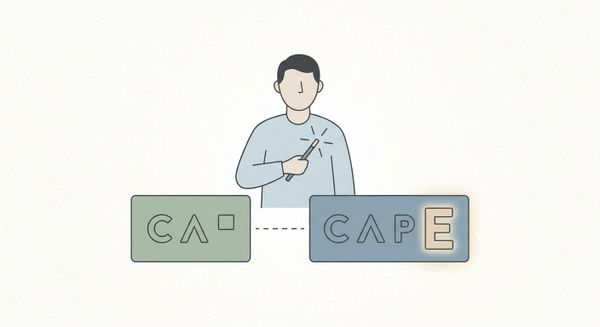
If your child can read words like cap and kit but gets stuck on cape and kite, magic e may be the next phonics pattern to teach. This guide shows how to introduce it in a simple, structured way at home.

If your child freezes, guesses, or gets upset during reading practice, the lesson may be too hard right now. Here is how to tell and what to change.
If your child learned silent e but now gets tripped up by words that do not quite follow the rule, this guide shows how to teach those confusing cases in a calm, structured way.

If your child makes mistakes during reading practice, it can be hard to know when to step in and what to say. This guide shows parents how to correct reading mistakes in Orton-Gillingham practice in a calm, helpful way.

If your child is working hard in reading practice but progress feels slow, it can be hard to tell whether Orton-Gillingham is actually helping. This guide shows the early signs to look for so you can spot real progress before it looks dramatic.
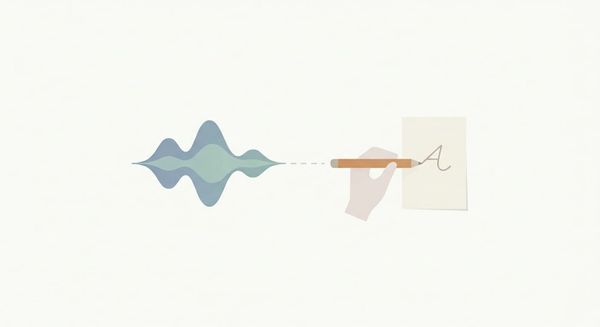
If your child can read a pattern during practice but cannot spell it when writing, dictation may be the missing step. This guide shows how to teach dictation in Orton-Gillingham at home in a simple, manageable way.

If your child can read short words but falls apart when words get longer, syllable division may be the next step. This guide shows parents how to teach it in a simple, structured way at home.

If your child has learned short vowels and silent e but keeps stumbling on patterns like ai, ee, or oa, vowel teams may be the next skill to teach. This guide shows how to introduce them in a simple, structured way at home.

If you are trying to help your child with reading at home, it can be hard to tell when practice is helping and when it has gone on too long. This guide shows how long Orton-Gillingham lessons should be for most children and how to adjust based on attention, effort, and success.

If your child is doing Orton-Gillingham practice at home, it can be hard to tell whether they need more review or are ready for the next step. This guide shows what to look for so you can move forward without rushing.

If Orton-Gillingham practice at home keeps ending in frustration, you are not alone. Here is how to spot what is really causing the stress and respond in a way that helps your child keep going.