
How to Choose Decodable Text for Orton-Gillingham Practice
If reading practice at home keeps ending in guessing or shutdown, the text may be the problem. Here is how to choose decodable text that actually fits Orton-Gillingham practice.
If reading practice at home keeps ending in guessing or shutdown, the text may be the problem. Here is how to choose decodable text that actually fits Orton-Gillingham practice.

If your child forgets a phonics pattern they seemed to know last week, the problem may not be effort. They may need better review. This guide shows how to review Orton-Gillingham concepts at home so learning sticks without making practice feel repetitive.

If your child gets overwhelmed during reading practice, the issue may not be effort. The lesson may be too hard right now. Here is how to tell and what to change.

If your child seemed to get a reading skill yesterday but cannot do it today, you may be wondering whether to repeat the lesson or keep going. Here is how to tell when review is the right next step.

If you are doing Orton-Gillingham practice at home, it can be hard to tell whether your child is making progress. Here is a simple way to track small changes that matter.
If your child resists Orton-Gillingham practice at home, it does not always mean the routine is failing. Here is how to respond in a calm, practical way that keeps reading support useful.

If your child gets stuck, guesses, or shuts down during reading practice, the correction itself may be part of the problem. This guide shows parents how to correct mistakes in Orton-Gillingham in a calm, useful way that supports learning.

If you are trying to help your child with reading at home, one of the hardest parts is knowing what to teach first. This guide shows a simple Orton-Gillingham scope and sequence at home so practice feels steady, clear, and less overwhelming.

If reading practice keeps swinging between too easy and too frustrating, pacing may be the missing piece. This guide shows parents how to pace Orton-Gillingham lessons at home in a way that supports progress without overload.
If your child flies through reading practice but progress still feels oddly flat, you may wonder whether Orton-Gillingham is too easy. Here is how to tell when review is helping and when it is time to add a little more challenge.
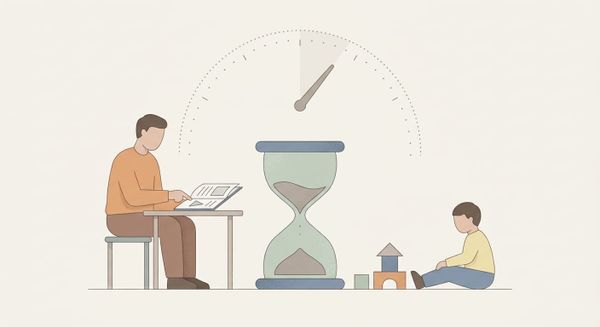
If you are trying to help your child with reading at home, it can be hard to tell when practice is helping and when it has gone on too long. This guide shows how long Orton-Gillingham lessons should be for most children and how to adjust based on attention, effort, and success.

If you are doing Orton-Gillingham practice at home, it can be hard to tell whether it is actually helping. This guide shows the small but meaningful signs that your child is moving in the right direction.