
How to Know What Level to Start With in Orton-Gillingham
If you want to use Orton-Gillingham at home, one of the hardest parts is knowing where to begin. This guide helps parents choose a starting point that is manageable, accurate, and useful.
If you want to use Orton-Gillingham at home, one of the hardest parts is knowing where to begin. This guide helps parents choose a starting point that is manageable, accurate, and useful.
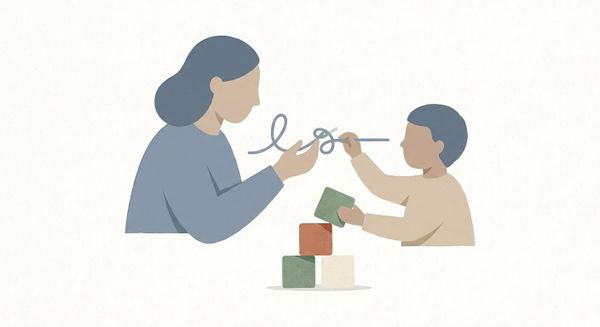
If your child makes mistakes during reading practice, it can be hard to know whether to jump in right away or stay quiet. This guide shows how to correct mistakes during Orton-Gillingham practice in a calm, helpful way.
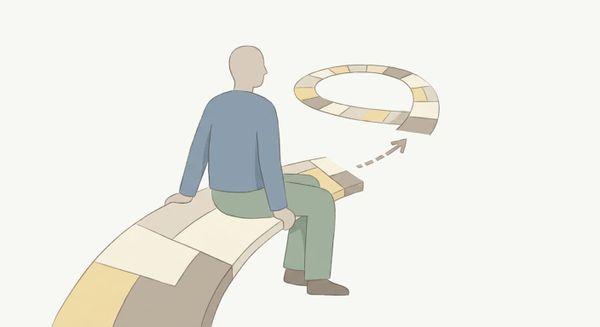
If your child seems to forget a skill right after learning it, you may wonder whether to repeat the whole lesson or just keep going. This guide helps parents make that call with more confidence.
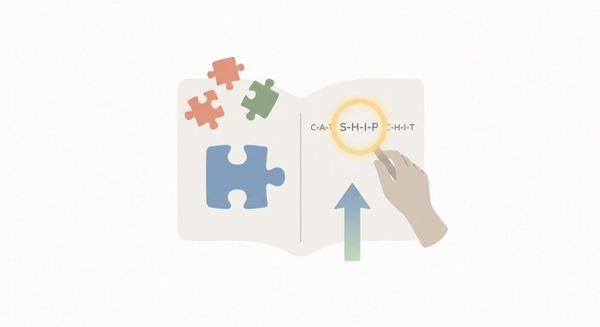
If home reading practice feels hit or miss, the text may be the problem. Here is how to choose decodable texts that match your child’s Orton-Gillingham work and support better reading.
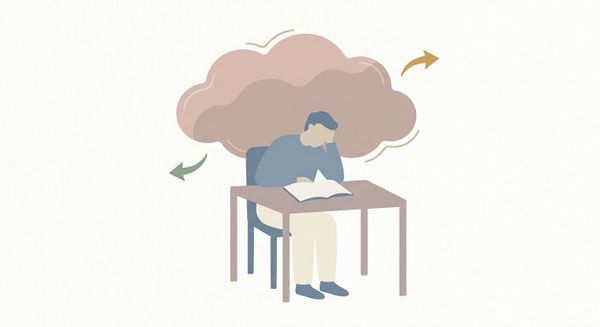
If your child melts down at the idea of reading practice after school, the problem may not be motivation. It may be timing, mental fatigue, or too much demand at the wrong part of the day.

If your child can read some words but gets stuck when spelling them, sound segmentation may be the missing piece. This guide shows parents how to practice it in a simple, structured way at home.

If your child is doing Orton-Gillingham and you keep hearing the word dictation, you may be wondering what that actually looks like at home. This guide shows parents how to use simple dictation practice without turning it into a battle.

If Orton-Gillingham homework keeps turning into arguments, the problem is not always the reading itself. Here is how to reduce tension and help practice feel more manageable at home.

If your child flies through reading practice but progress still feels oddly flat, you may wonder whether Orton-Gillingham is too easy. Here is how to tell when review is helping and when it is time to add a little more challenge.

If you are doing Orton-Gillingham practice at home, it can be hard to tell whether your child is making progress. Here is a simple way to track small changes that matter.

If home reading practice keeps ending in frustration, the problem may not be the routine itself. It may be that the practice is simply too long for your child right now.

If Orton-Gillingham practice keeps ending in tears, the problem is not always the reading itself. This guide helps parents lower pressure, respond calmly, and keep home practice useful.