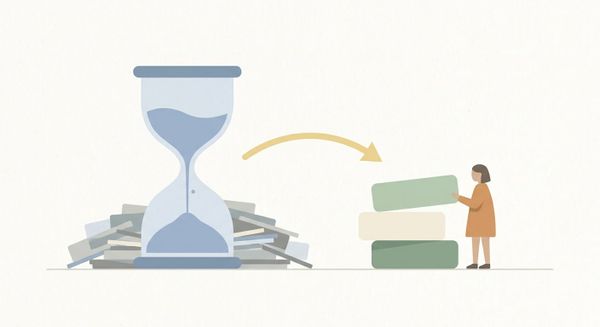
What to Do When Orton-Gillingham Homework Takes Too Long
If Orton-Gillingham homework stretches far past your child’s limit, more time is not always better. Here is how to make practice shorter, calmer, and more useful.
If Orton-Gillingham homework stretches far past your child’s limit, more time is not always better. Here is how to make practice shorter, calmer, and more useful.

If Orton-Gillingham homework keeps turning into arguments, the problem is not always the reading itself. Here is how to reduce tension and help practice feel more manageable at home.

If your child flies through reading practice but progress still feels oddly flat, you may wonder whether Orton-Gillingham is too easy. Here is how to tell when review is helping and when it is time to add a little more challenge.
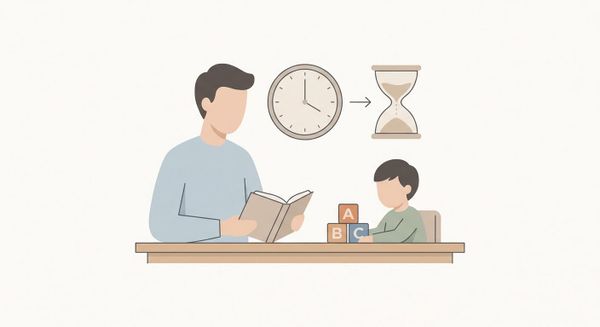
If you are trying to help your child with reading at home, it can be hard to tell when practice is helping and when it has gone on too long. This guide shows how long Orton-Gillingham lessons should be for most children and how to adjust based on attention, effort, and success.

If you are doing regular reading practice and still wondering whether it is making a difference, you are not alone. Here are the early signs Orton-Gillingham is working, even when progress still feels slow.
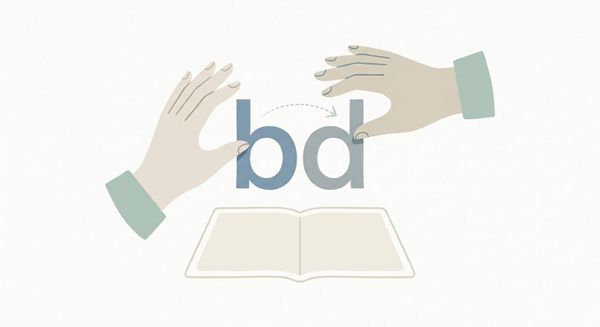
If your child keeps mixing up letters like b and d during reading practice, it can be hard to know whether to stop, correct it, or let it go. This guide shows how to handle letter reversals in Orton-Gillingham practice at home in a calm, practical way.

If you are doing Orton-Gillingham practice at home, it can be hard to tell whether your child is making progress. Here is a simple way to track small changes that matter.

If your child forgets common words they just practiced, you may be wondering how sight words fit into Orton-Gillingham at all. This guide shows parents how to review them in a way that supports decoding instead of replacing it.

If your child leaves out words during reading practice, it can be hard to know whether to stop, correct, or let it go. This guide explains why skipping happens in Orton-Gillingham practice and what parents can do to help.

If reading practice ends in tears, shutdown, or guessing, it can be hard to know whether your child needs one more try or a full stop. This guide shows parents how to tell when an Orton-Gillingham lesson should end and what to do next.
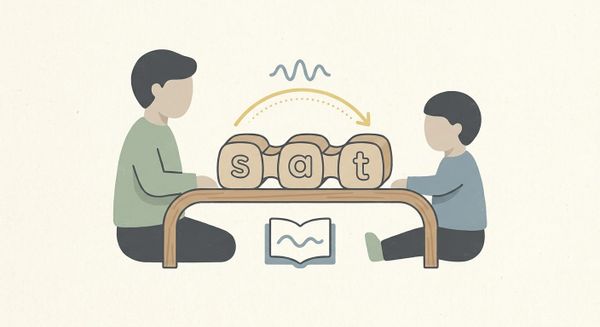
If your child can say each sound but still cannot read the whole word, blending may be the piece that is missing. This guide shows simple ways to help a child blend sounds in Orton-Gillingham practice at home.

If Orton-Gillingham practice keeps ending in frustration, the problem may not be the program itself. Here is how to tell when the work is too hard, what to adjust, and how to help your child keep making progress.