What to Say When Requesting a Dyslexia Evaluation at School
If you think your child may have dyslexia, knowing what to say to the school can make the first step feel much less overwhelming. Here is how to make a clear request and what to include.

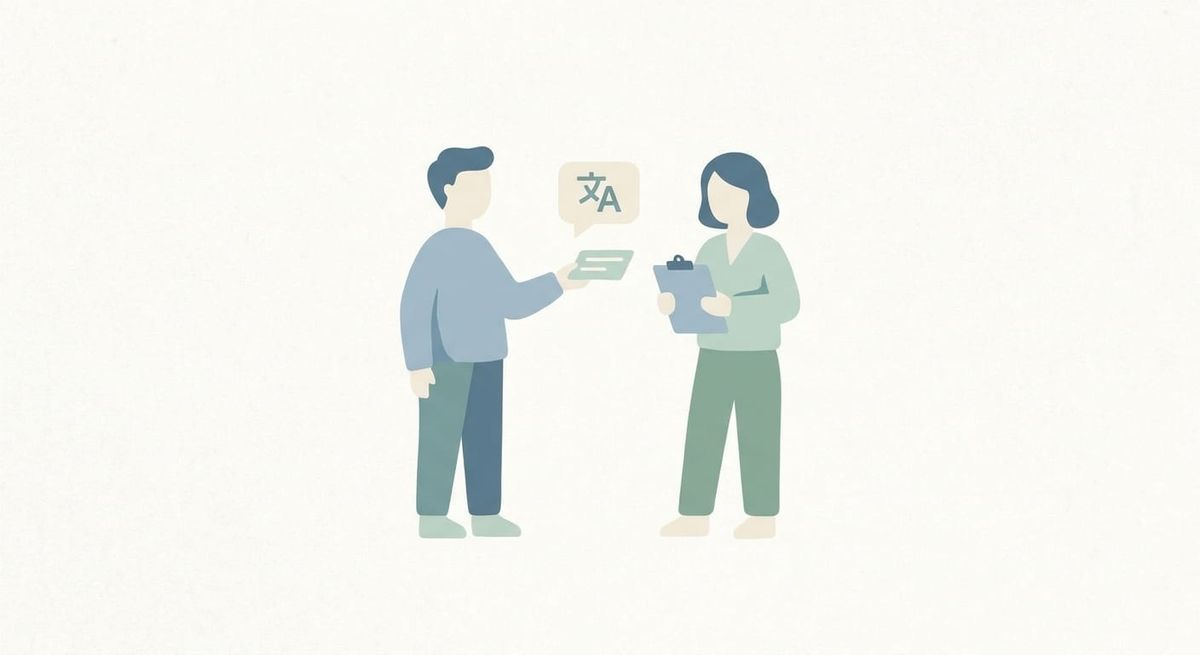
If you think your child may have dyslexia, the hardest part is often not the suspicion. It is sending the first email.
Many parents know something is off but get stuck on the wording. You may be wondering whether to say dyslexia, whether to ask for testing, or whether the school will take your concern seriously.
This guide will help you request a dyslexia evaluation at school in a clear, simple way. You will see what to include, what not to say, and how to make your request easier for the school to act on.
What should you say in your first email?
Your first message does not need to sound formal or legal. It just needs to be clear.
A good request usually includes three things:
- that your child is struggling with reading
- what you are noticing at home or in schoolwork
- that you are requesting a formal evaluation
You do not need to prove dyslexia in the email. You are asking the school to evaluate concerns, not submitting a diagnosis.
Here is a simple example:
Hello, I am requesting a formal evaluation for my child due to ongoing concerns about reading. My child is having difficulty with decoding, spelling, and reading fluency, and these struggles are continuing despite support and practice. I would like to begin the school evaluation process as soon as possible.
That is enough.
If you want, you can add a few specific examples such as skipping small words, guessing based on the first letter, reading very slowly, or avoiding reading homework.
Asking the school for an evaluation?
ReadGenie helps struggling readers improve their reading, spelling and handwriting with Orton-Gillingham practice at home. Your child reads out loud, the app listens, and it helps with the exact sound they missed.
Try ReadGenie free for 7 daysOr get the app on the App Store or Google Play
Should you use the word dyslexia?
Yes, you can.
Some parents worry that saying dyslexia will make the school defensive. In most cases, it is fine to name your concern as long as you stay specific and calm.
You might say:
I am concerned that my child may have dyslexia or another reading-related learning difficulty, and I would like to request an evaluation through the school.
This works well because it does two things. It names your concern, and it keeps the focus on evaluation.
If you are more comfortable being less direct, you can still make a strong request by describing the reading patterns you see.
For example:
- trouble sounding out unfamiliar words
- weak spelling compared with oral vocabulary
- slow, effortful reading
- ongoing struggles with word reading in older grades
What details actually help the school?
The most useful details are concrete ones.
Instead of saying your child hates reading, say what happens.
Helpful details include:
- your child reads accurately in short bursts but gets overwhelmed fast
- your child guesses words instead of sounding them out
- spelling is much weaker than speaking or listening
- homework that should take 15 minutes turns into 45
- your child is falling behind in reading even with extra practice
Keep it brief. A short list of patterns is more useful than a long emotional explanation.
You can also mention:
- teacher concerns you have heard
- report card comments about reading
- tutoring that has not solved the problem
- family history of dyslexia or reading difficulties
What if the school says to wait?
This is where many parents lose momentum.
Sometimes a school may say your child is still developing, should get more classroom support first, or should wait until the next grading period. That can leave you unsure what to do next.
If that happens, stay polite and repeat the request clearly.
You can say:
Thank you. I understand the concern about waiting, but I would still like to make a formal written request for an evaluation due to ongoing reading difficulties.
That keeps the conversation focused.
It also helps to ask follow-up questions such as:
- Who should receive my formal written request?
- What are the next steps in the evaluation process?
- What support will be provided while we wait?
A clear paper trail matters. Email is often the easiest way to create one.
A real-world example
Maya's son was in fourth grade and bright in every discussion, but reading homework ended in tears most nights. He could explain a science lesson out loud but stumbled badly when asked to read the same material on paper. She had mentioned concerns at conferences, but each time she left with general reassurance and no real plan.
When she finally sent a short written request, she stopped trying to explain everything at once. She simply listed what she saw: slow decoding, weak spelling, word guessing, and growing frustration with reading. That made it easier for the school team to understand the concern and start a more formal process.
The biggest shift was not that she found perfect words. It was that she made a direct request instead of waiting for someone else to connect the dots.
Simple tips before you send the request
If you are ready to request a dyslexia evaluation at school, keep it practical.
- Write the email before a meeting so your concern is already documented
- Include two or three specific reading signs, not a long history
- Ask directly for a formal evaluation, not just extra help
- Save copies of emails, report cards, and teacher notes in one folder
If writing feels intimidating, use a basic script and adjust it to sound like you.
You do not need the perfect wording
The goal is not to sound like an expert. The goal is to be clear enough that the school understands you are requesting an evaluation for ongoing reading concerns.
If your child is struggling, it is okay to put that in writing and ask for the next step.
Make practice at home easier
Short daily sessions of reading, spelling and handwriting practice, built with Orton-Gillingham teachers. It works alongside tutoring and school support. The first 7 days are free.
Try ReadGenie free for 7 daysOr get the app on the App Store or Google Play