How to Teach Orton-Gillingham Dictation at Home
If your child can read a pattern one day but cannot spell it the next, dictation may be the missing piece. This guide shows parents how to use simple Orton-Gillingham dictation at home without making practice feel heavy.

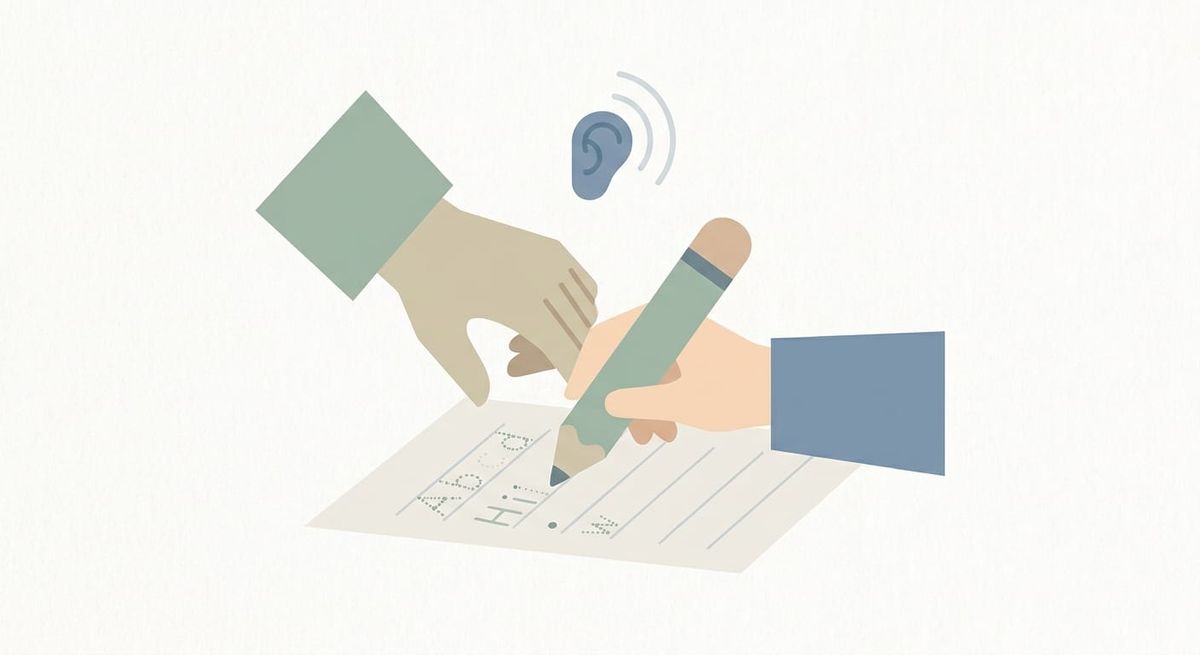
If your child can read a word like ship but cannot spell it without guessing, you are not imagining the gap. A lot of struggling readers need more than word reading practice. They also need chances to hear sounds, connect them to letters, and write what they know.
That is where dictation can help.
If you want to teach Orton-Gillingham dictation at home, the goal is not to turn into a tutor or give long spelling tests. The goal is to give your child short, structured practice that strengthens sound-symbol links in a calm, manageable way.
What is Orton-Gillingham dictation?
In simple terms, dictation means you say a sound, word, or sentence and your child writes it.
In an Orton-Gillingham style routine, dictation is not random. It is tied to patterns your child has already been taught. That matters because the point is review and connection, not surprise.
A basic dictation routine often moves in this order:
- sounds
- single words
- short phrase or sentence
This gives your child practice in hearing, remembering, and writing what they know. It also helps you see where the breakdown is. Maybe your child knows the sound in isolation but forgets it in a word. Maybe they can spell the word list but lose the pattern in a sentence.
When should you use dictation at home?
You do not need to do dictation every time you practice. But it can be especially helpful when your child:
- reads a pattern better than they spell it
- forgets learned phonics patterns quickly
- guesses when writing words
- leaves out sounds in spelling
- needs more review without a full new lesson
For many families, 5 to 10 minutes is enough.
Short dictation works better than pushing until your child is tired. If practice starts to feel like a quiz, it usually stops being useful.
How do you teach Orton-Gillingham dictation at home?
Keep it simple and stick with patterns your child already knows.
1. Start with individual sounds
Say one sound at a time and ask your child to write the matching letter or team.
You might say:
- /sh/
- /ch/
- /a/
- /th/
If a sound can be spelled more than one way, only use the spelling your child has already learned. This keeps the task focused.
2. Move to word dictation
Choose 3 to 5 words using familiar patterns.
If your child is working on sh, you might use:
- ship n- shop
- fish
- shut
Say the word. Ask your child to repeat it. Then have them tap the sounds or say the sounds slowly before writing.
That pause matters. It helps your child map the sounds before the pencil starts moving.
3. End with one short sentence
Use a sentence that includes known words and one or two review patterns.
For example:
- The fish is in the shop.
Keep the sentence short enough that your child can hold it in mind. If needed, say it twice.
After they write it, read it together and check for anything they want to fix.
What if your child gets stuck or upset?
This is where many parents feel unsure. They do not want to give the answer too fast, but they also do not want practice to turn into a battle.
If your child gets stuck, slow the task down.
You can say:
- “Say the word slowly.”
- “What sounds do you hear?”
- “Tap it with your fingers.”
- “What pattern do you know here?”
Try to guide, not quiz.
If your child writes a word incorrectly, do not just mark it wrong and move on. Use it as a teaching moment. Have them correct it right away with support. That might mean rewriting the word, saying each sound, or comparing the incorrect spelling to the correct one.
The goal is successful practice, not catching mistakes.
A real-life example of dictation helping
Maya, a 4th grader, could read words with th and sh during lessons but guessed when she tried to spell them on her own. Her mom kept thinking Maya had forgotten the skill.
What was really happening was that reading felt easier than pulling the sounds apart for spelling.
So instead of adding more new material, they started doing a 7-minute dictation routine four evenings a week. First came three sounds, then four words, then one sentence.
At first Maya left out sounds and rushed. Her mom began having her repeat each word, tap the sounds, and write only after saying them aloud.
After two weeks, spelling was still not perfect, but Maya was no longer guessing as much. She started hearing missing sounds before her mom pointed them out. That was real progress.
Simple tips to make dictation work better
Here are a few ways to keep dictation useful at home:
- Keep a tiny whiteboard nearby. It feels lower pressure than paper for some kids.
- Use old patterns more than new ones. Dictation is best for practice and review.
- Stop while your child still has energy. A short successful session helps more than a long draining one.
- Reuse the same routine. Predictability helps kids who get overwhelmed.
What should you not do?
A few small changes can make dictation much more effective.
Try not to:
- give words with patterns your child has not learned yet
- turn dictation into a long spelling test
- correct every mistake with a big explanation in the moment
- keep going once your child is overloaded
If it helps, think of dictation as supported practice, not performance.
How often should parents do dictation?
For most children, two to four short sessions a week is plenty.
Consistency matters more than length. A calm 5-minute routine done regularly often works better than one long session on the weekend.
If your child is already doing reading intervention or tutoring, home dictation can be a helpful way to reinforce taught patterns without adding too much.
Keep it short, structured, and encouraging
If you want to teach Orton-Gillingham dictation at home, you do not need a big setup or a perfect lesson plan. You just need a short routine, words that match what your child knows, and a calm way to support corrections.
Done well, dictation can help your child connect reading and spelling in a deeper way. It can also show you that progress is happening, even before it looks smooth.
You might also find this helpful: How to Build an Orton-Gillingham Review Routine at Home
If you want extra support between lessons, ReadGenie gives kids structured phonics practice with repetition, decodable reading, and a pace that feels manageable at home. You can explore it here: App Store and Google Play.



