What to Do Between Orton-Gillingham Lessons
If your child is getting Orton-Gillingham support but you are not sure what to do on the days in between, this guide shows simple ways to help without reteaching the lesson or causing extra stress.

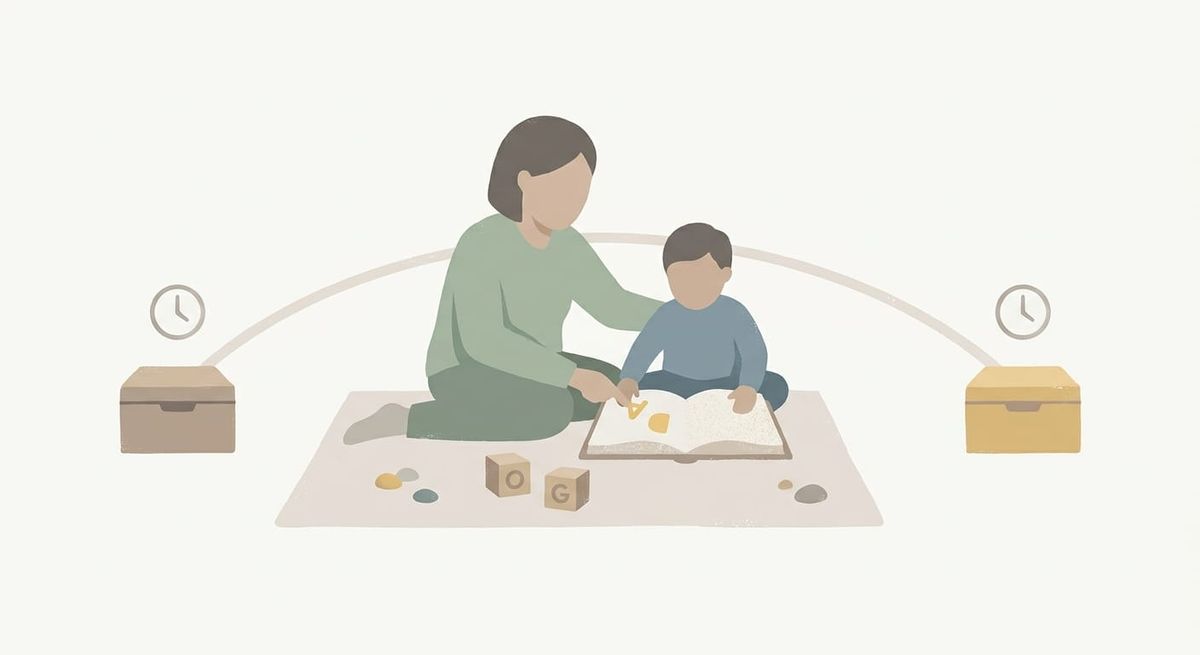
If your child is getting Orton-Gillingham support at school, with a tutor, or at home a few days a week, the in-between days can feel confusing. You want to help, but you may not know what is actually useful. Should you practice more? Review the last lesson? Leave it alone?
The good news is that you do not need to squeeze in another full reading lesson. What helps most between Orton-Gillingham lessons is short, calm review that makes taught skills easier to remember and use. This post will show you what to do between Orton-Gillingham lessons so practice feels supportive instead of stressful.
What should parents do between Orton-Gillingham lessons?
Think of the time between lessons as reinforcement time, not new teaching time. Your job is not to introduce the next concept or correct every mistake. Your job is to help your child get a little more comfortable with skills they have already seen.
That might look like:
- rereading a short decodable passage
- reviewing a small set of sound cards
- reading a few practiced words aloud
- doing quick word building with letter tiles
- noticing a learned pattern in everyday reading
This kind of practice works because it is brief and specific. It gives your child another chance to use the same pattern before it fades.
Keep review short and very focused
Between-lesson practice does not need to be long to be useful. In fact, shorter is often better, especially for kids who already feel tired or discouraged by reading.
A good goal is 5 to 10 minutes. Pick one small target and stop before your child burns out.
For example, if the lesson focused on glued sounds, your between-lesson practice could be:
- read 5 words with ng or nk
- build 3 words with letter tiles
- reread one short passage that includes those patterns
If the lesson focused on vowel teams, you might:
- review ai and ay sound cards
- read 4 to 6 words with those patterns
- find one ai or ay word in a book or on a cereal box
The smaller the task, the more likely your child is to stay successful.
What if my child does not want to practice?
This is one of the biggest parent questions, and it matters. If your child resists every time you bring up reading, the answer is usually not to push harder. It is to make practice feel clearer and safer.
A lot of children shut down when they think they are about to be tested or corrected over and over. Between Orton-Gillingham lessons, try to keep the tone light and predictable.
You can say:
- “Let’s do three words and stop.”
- “Let’s read this one page you already know.”
- “You are not learning something new right now. We are just warming up your brain.”
This helps your child know the task is manageable. It also lowers the fear of getting things wrong.
If your child is especially tired after school, move practice to a different time. Some kids do better in the morning, after a snack, or even during a quick weekend routine.
Use already-taught material, not random reading worksheets
One common mistake is grabbing any reading worksheet and hoping it helps. But random practice often mixes too many skills at once. That can make a child feel lost, even if they were doing well in lessons.
Instead, stay close to material that matches what your child has already been taught. That could include:
- decodable text from a tutor or program
- word lists with known patterns
- previously practiced sound cards
- dictation with familiar words only
If you are not sure what to review, go back to the last successful lesson and pull one tiny piece from it.
That is usually much more helpful than trying to cover a lot.
A real-life example of between-lesson practice
Let’s say Maya is in fourth grade and working on silent e words. In her tutoring session, she reads words like kite, hope, and same, but by the next day she starts guessing again.
Her parent worries that the lesson did not stick, so they try adding extra worksheets. Maya gets frustrated fast.
A better plan is much simpler. On the two days between sessions, her parent spends about seven minutes doing this:
- reviews the sound change in kit to kite
- builds hope and hop with letter tiles
- has Maya read six silent e words she already practiced
- ends by rereading a short decodable paragraph
After a week or two, Maya is not perfect, but she is more automatic. She starts noticing the pattern sooner and guessing less. The change comes from steady review, not more pressure.
Simple things to try between lessons
If you are wondering what to do between Orton-Gillingham lessons, start here:
- Repeat one small routine
Pick the same kind of practice for a few days in a row. Familiar routines reduce stress. - Use words your child can mostly handle
Aim for practice that feels successful, not practice that constantly breaks down. - Stop while it is still going okay
You do not need to wait for frustration. Ending early can make the next session easier. - Notice progress out loud
Say things like, “You caught that vowel team faster today,” or, “You remembered to read all the way through the word.”
When should you do nothing between lessons?
Sometimes the best choice is to protect your child’s energy. If they are exhausted, overwhelmed, or already getting plenty of structured reading support, daily extra practice may not help.
In that case, doing less can actually be smarter. You might just reread one familiar passage once or twice that week, or skip formal practice and point out a known pattern during regular reading.
Helpful support is not about doing the most. It is about doing the right amount.
A helpful next read
You might also find this helpful: How to Review Old Orton-Gillingham Lessons
That post goes deeper into how to revisit older skills without making review feel repetitive or overwhelming.
Conclusion
If you are not sure what to do between Orton-Gillingham lessons, keep it simple. Review, do not reteach. Use short practice, familiar material, and low pressure. A few calm minutes between lessons can help skills stick much better than a longer session that ends in frustration.
If you want extra support at home, ReadGenie gives kids structured reading practice with decodable passages, repetition, and step-by-step phonics support built for struggling readers. You can explore it here: App Store or Google Play.



