What to Do Between Orton-Gillingham Sessions
If your child gets Orton-Gillingham lessons but still seems to forget skills between sessions, you may be wondering what to do at home. This guide shows simple ways to reinforce learning without adding pressure or confusion.

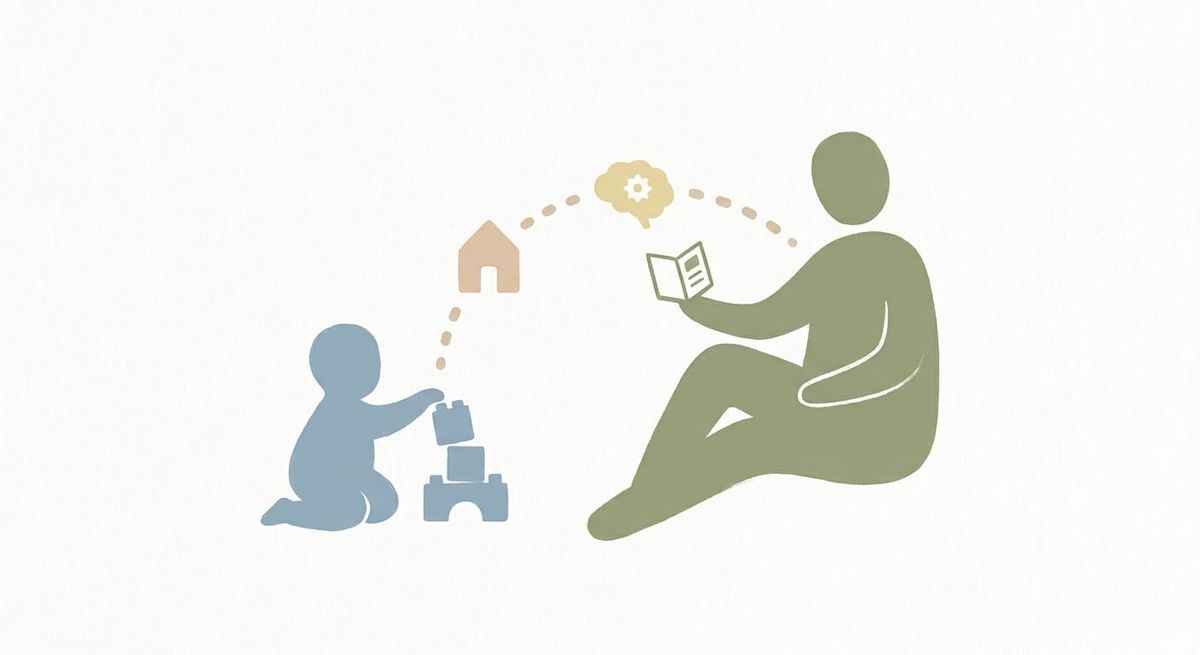
If your child gets Orton-Gillingham lessons, you may still wonder what happens on the days in between. Maybe they seem solid on a sound during the lesson, then forget it two days later. Maybe you want to help, but you do not want to teach the wrong thing or make reading feel harder.
The good news is that you do not need to recreate a full lesson at home. What to do between Orton-Gillingham sessions is usually much simpler than parents expect. The goal is not to introduce new concepts. It is to help your child hold onto what they are already learning through short, calm review.
Focus on review, not new teaching
Between sessions, the safest and most helpful thing to do is review skills your child has already seen. That might mean practicing a few known sound patterns, rereading a decodable passage, or reviewing a small set of words from the last lesson.
This matters because many struggling readers need more repetition than it seems like they should. Forgetting does not always mean the lesson did not work. It often means the skill is still getting settled.
A simple way to think about it is this:
- Lessons introduce and build
- Home practice helps the skill stick
- Short review is usually better than longer correction-heavy practice
If you are ever unsure, stay with familiar material. That keeps practice supportive instead of confusing.
What does helpful practice look like?
Helpful practice between lessons should feel brief, clear, and doable. In most cases, 5 to 10 minutes is enough.
You might use that time to:
- review 3 to 5 sound cards
- read a few practiced words
- reread one decodable passage
- practice a few red words your child already knows
- do quick oral blending with simple words
What you do matters less than how consistent it is. A short practice routine done most days usually helps more than one long session once a week.
If your child starts guessing, shutting down, or making lots of errors, that is usually a sign the practice is too hard or too long. Pull back to something easier they can do successfully.
Should you read the same decodable passage again?
Yes, often that is one of the best things you can do.
Parents sometimes worry that rereading is too repetitive. For many kids with dyslexia, repetition is exactly what helps. When a child rereads a decodable passage that matches skills they are learning, they get another chance to connect sounds, patterns, and words without the extra load of brand-new text.
Rereading can help your child:
- feel more accurate
- build smoother decoding
- notice patterns they missed the first time
- gain confidence from reading something more successfully
You do not need to force multiple rereads in one sitting. Even reading the same short passage once more the next day can be useful.
A real-life example
Let’s say Maya is in 4th grade and gets Orton-Gillingham tutoring twice a week. In her lesson, she works on vowel teams and reads words with ai and ay. By the next lesson, her parent is frustrated because Maya seems to mix them up again.
Instead of adding new worksheets, Maya’s mom spends 7 minutes on the off days doing three things: reviewing two vowel team cards, reading six practiced words, and having Maya reread one short decodable passage from tutoring.
After two weeks, Maya is not perfect, but she is quicker to recognize the patterns and less likely to guess. The change is small, but it matters. She is starting each lesson with more carryover from the last one.
That is often what progress looks like between Orton-Gillingham sessions. Not a sudden leap, but less forgetting and more readiness.
How can you help without overdoing it?
The best home support usually feels almost boring in its simplicity. Parents often do too much because they care so much. But more is not always better.
Try to keep these guidelines in mind:
- ask your child’s tutor or teacher which skills are safe to review
- keep practice shorter than you think you need to
- stop before frustration builds
- use familiar materials instead of searching for new ones every day
It also helps to end on success. If your child reads one line more smoothly, remembers a sound faster, or corrects a word with less help, that counts.
Simple things to try this week
If you are not sure where to start, pick one or two of these:
- Do a 5-minute sound review
Review a few known sound cards and have your child say the sounds out loud. - Reread one decodable passage
Use a passage your child has already read in tutoring or practice. - Practice a tiny word list
Choose 5 words with a pattern your child is already learning. - Keep a steady routine
Try the same short practice on two or three days between sessions.
You might also find this helpful: How Often to Do Orton-Gillingham at Home
Conclusion
What to do between Orton-Gillingham sessions does not have to be complicated. In most cases, the best support is short review, familiar material, and just enough repetition to help new skills stick.
If you want extra support at home, ReadGenie gives kids structured reading practice built on Orton-Gillingham principles, decodable text, and repetition that helps skills carry over between lessons. You can explore it here: App Store and Google Play.



