Dyslexia: More Than Mixed-Up Letters
Dyslexia is more than mixed-up letters. Learn what dyslexia really is, common signs to watch for, myths to ignore, and how the right support can make a lasting difference.

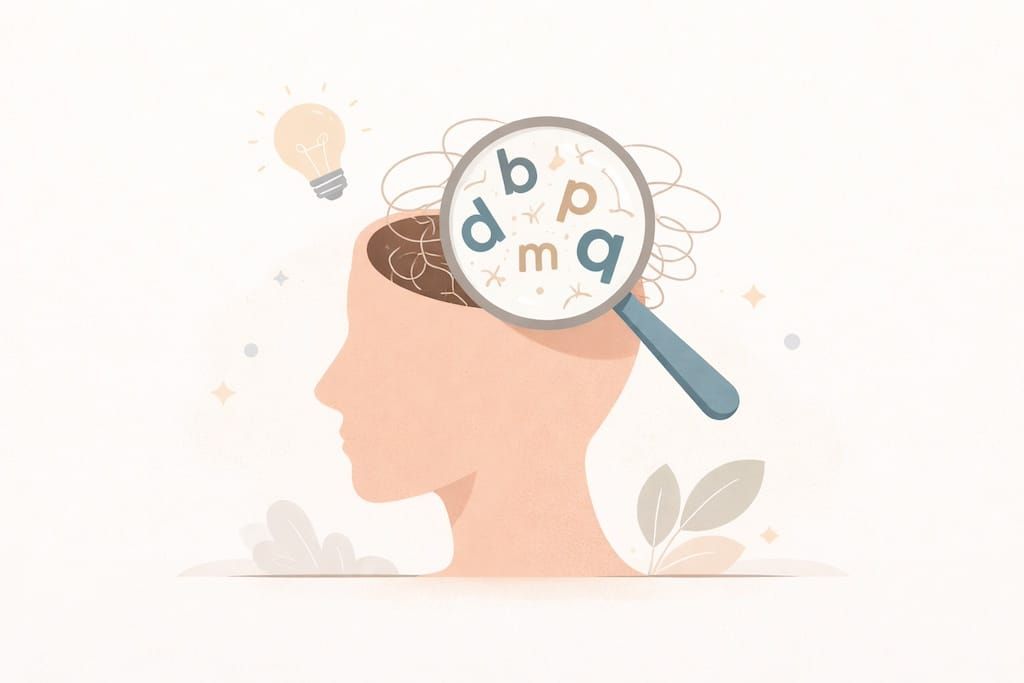
When people hear the word dyslexia, they often picture letters flipping around on a page. That idea is common, but it is not an accurate picture of what dyslexia really is.
Dyslexia is one of the most common learning differences, yet it is still widely misunderstood. Many parents, teachers, and adults know the term, but are less clear on what it actually means, how it shows up, and what it does not say about a person’s intelligence or potential.
Understanding dyslexia starts with separating facts from myths.
What Is Dyslexia?
Dyslexia is a language-based learning difference that affects reading, spelling, and writing. It is related to how the brain processes spoken and written language, especially the sounds in words. It is not caused by poor vision, low intelligence, or lack of effort.
People with dyslexia may have difficulty:
- reading accurately or fluently
- connecting letters to sounds
- sounding out unfamiliar words
- spelling consistently
- expressing ideas clearly in writing
- remembering verbal sequences, directions, or lists
Dyslexia is lifelong, but that does not mean progress is out of reach. With the right instruction, tools, and support, people with dyslexia can become strong readers and successful learners.
What Dyslexia Is Not
A lot of confusion around dyslexia comes from old assumptions. Clearing those up matters because misunderstanding often creates more barriers than dyslexia itself.
Dyslexia is not a sign of low intelligence
People with dyslexia are just as capable and intelligent as anyone else. Many are strong thinkers who excel in creativity, reasoning, problem-solving, and big-picture thinking.
Dyslexia is not simply “seeing letters backwards”
Letter reversals can happen in many young children, including those without dyslexia. Dyslexia is not primarily a visual issue. It is a difference in language processing, especially in how sounds in words are identified, stored, and connected to print.
Dyslexia is not caused by laziness
Reading can take far more effort for someone with dyslexia. What looks like avoidance is often frustration, fatigue, or discouragement after repeated difficulty.
Dyslexia does not disappear with age
Dyslexia does not go away, but people can absolutely improve their reading and writing skills. Over time, many learn strategies, use accommodations, and build systems that help them thrive in school, work, and daily life.
Common Signs of Dyslexia
Dyslexia does not look exactly the same in every person. Signs can vary by age, environment, and the demands placed on reading and writing.
In children, signs may include:
- delayed reading development
- trouble learning letter sounds
- difficulty rhyming or blending sounds
- problems sounding out simple words
- ongoing spelling struggles
In teens and adults, signs may include:
- slow or effortful reading
- poor spelling despite practice
- difficulty writing quickly or organizing thoughts in writing
- trouble taking notes while listening
- stronger verbal expression than written output
Early identification can make support more effective, but it is never too late to understand what is going on and get help.
Dyslexia Often Comes With Strengths, Too
Too often, dyslexia is talked about only in terms of struggle. But that leaves out part of the picture.
Many people with dyslexia also show strengths in areas such as:
- creative thinking
- visual and spatial reasoning
- problem-solving
- storytelling and verbal communication
- innovation and entrepreneurship
Not every person with dyslexia will have the same strengths, but many develop ways of thinking that are flexible, original, and resourceful.
Why Support Matters
The right support can make a major difference. Effective help may include structured literacy instruction, extra time, assistive technology, targeted reading intervention, and environments that understand how dyslexia works.
Support does not begin with a program. It begins with awareness.
When parents, educators, employers, and communities understand dyslexia accurately, they are better able to respond with the right tools instead of the wrong assumptions. That shift can change a child’s school experience, a teen’s confidence, or an adult’s relationship with learning.
Final Thoughts
Dyslexia is more than a stereotype about mixed-up letters. It is a real, language-based learning difference that affects how people read, spell, and write. But it does not define intelligence, potential, or future success.
When we replace myths with facts, we make it easier for people with dyslexia to get the support they need and the respect they deserve. Better understanding leads to better teaching, better advocacy, and better outcomes.



