How Is Dyslexia Assessed and Diagnosed? A Clear, Step-by-Step Guide
Learn how dyslexia is assessed and diagnosed, from early screening signs to full evaluations, testing areas, professional diagnosis, and next-step recommendations.

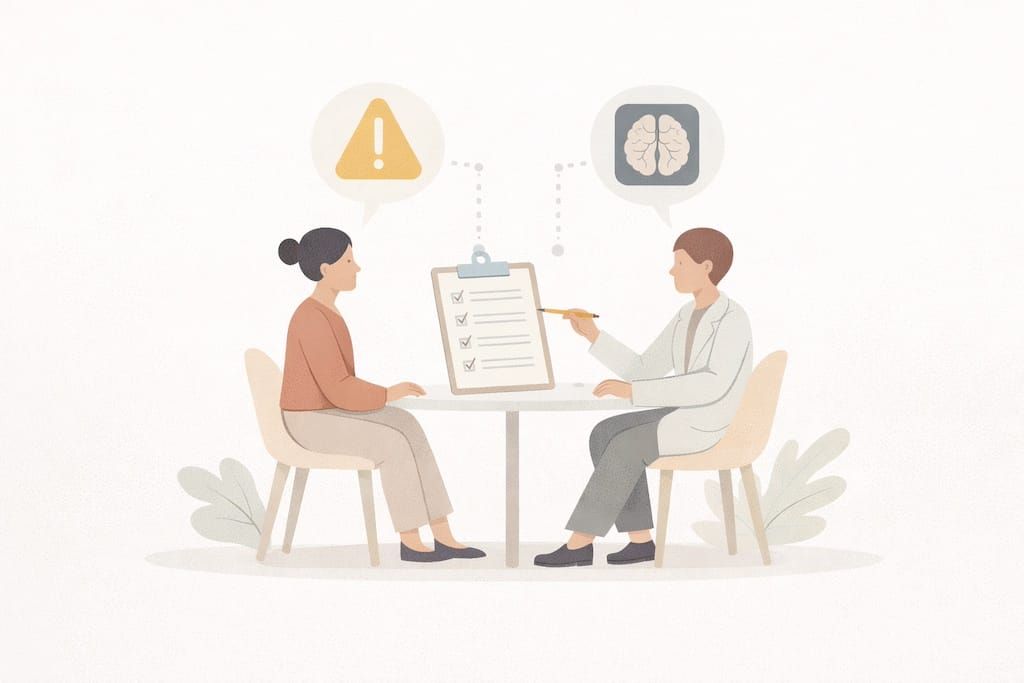
Dyslexia is a specific learning difference, and diagnosing it takes more than a quick observation or a single test. A thorough dyslexia evaluation looks at how a person reads, processes language, and learns over time. It also helps rule out other possible reasons for reading struggles.
Understanding how the process works can make it easier for parents, educators, and adults to know what to expect and what kind of support to seek.
Screening vs. Diagnosis
Before getting into the assessment process, it helps to understand the difference between a screening and a diagnosis.
A screening is used to spot signs that someone may be at risk for dyslexia. It is usually brief, often done in schools, and can help flag students who may need more support or further evaluation. But a screening does not confirm dyslexia.
A diagnosis is more detailed. It is completed by a qualified professional and involves a full evaluation of reading, language, and related skills. The result is typically a formal report with findings, recommendations, and next steps.
Both screening and diagnosis matter, but only a comprehensive evaluation can determine whether a person has dyslexia.
Step 1: Noticing the Signs
The process often starts when a pattern of reading or spelling difficulty becomes clear. Common signs may include:
- slow or inaccurate reading
- trouble sounding out unfamiliar words
- spelling that remains weak despite practice
- stronger speaking ability than written performance
- a family history of dyslexia or other learning differences
Sometimes these concerns are first noticed by parents or teachers. In other cases, teens or adults begin to recognize long-standing patterns in their own learning.
Step 2: Reviewing Background and History
A strong dyslexia assessment always includes a detailed background review. This helps the evaluator understand the full picture, not just test scores.
That review may include:
- developmental history
- school and academic history
- language background and exposure
- family history of reading or learning differences
- past interventions and how much progress was made
This kind of context helps show whether the reading difficulties are persistent and unexpected.
Step 3: Testing Reading, Language, and Related Skills
Dyslexia evaluations focus mainly on language and literacy skills. They are not simply checking eyesight, effort, or motivation.
A full assessment often looks at several areas.
Phonological processing
This is the ability to hear, identify, and work with the sounds in words. Difficulty in this area is one of the most common markers of dyslexia.
Decoding and word reading
This measures how well a person can read words, especially unfamiliar ones, by applying sound-letter patterns.
Spelling and written language
Evaluators often look at how well someone connects sounds to letters in spelling and how those challenges affect written expression.
Reading fluency and comprehension
A person may also be assessed on reading speed, accuracy, and understanding. This helps determine whether the difficulty is mainly with word reading, comprehension, or both.
Cognitive abilities
Some assessments also include areas like memory, processing speed, and reasoning. These are used to understand the learner’s profile, not to define intelligence.
Step 4: Ruling Out Other Causes
An important part of diagnosis is making sure the reading difficulties are not primarily caused by something else.
Evaluators consider whether the challenges could be better explained by:
- hearing or vision problems
- limited or inconsistent instruction
- intellectual disability
- language differences or multilingual background
Dyslexia is typically identified when reading difficulties are significant and unexpected compared with the person’s age, learning opportunities, and overall abilities.
Step 5: Receiving a Professional Diagnosis
A formal dyslexia diagnosis is usually made by a qualified professional. Depending on the country, region, and setting, this may include:
- educational psychologists
- clinical psychologists
- neuropsychologists
- other trained specialists in learning assessment
The evaluator reviews all the testing, background information, and observations to decide whether the person meets the criteria for dyslexia.
Step 6: Getting a Written Report and Recommendations
A high-quality dyslexia evaluation should do more than give a label. It should help guide support.
A strong report usually includes:
- a clear explanation of strengths and areas of difficulty
- whether dyslexia is present
- practical recommendations for school, work, or daily life
- suggested interventions, accommodations, or next steps
This report can be especially important when seeking classroom support, exam accommodations, tutoring, or workplace adjustments.
Can Dyslexia Be Diagnosed at Any Age?
Yes. Dyslexia can be identified in childhood, the school years, adolescence, or adulthood.
Early identification is helpful because it allows support to begin sooner. But an assessment can still be valuable later in life. Many older students and adults feel relief when they finally understand why reading and spelling have always felt harder than expected.
Final Thoughts
A dyslexia diagnosis is not about labeling someone as weak. It is about understanding how they learn.
A proper assessment can explain the reasons behind reading struggles and point toward effective strategies, interventions, and accommodations. With the right evaluation and support, people with dyslexia can build skills, confidence, and a clearer path forward.