
How to Teach Orton-Gillingham Red Words at Home
If your child keeps forgetting irregular words or trying to sound out parts that do not follow the pattern, this guide shows how to teach Orton-Gillingham red words at home in a simple, structured way.
If your child keeps forgetting irregular words or trying to sound out parts that do not follow the pattern, this guide shows how to teach Orton-Gillingham red words at home in a simple, structured way.

If your child resists Orton-Gillingham practice at home, it does not always mean the routine is failing. Here is how to respond in a calm, practical way that keeps reading support useful.

If every reading mistake turns into tension, you may not need a new lesson. You may just need a better way to correct errors. Here is how to correct mistakes in Orton-Gillingham without breaking your child’s focus or confidence.

If your child guesses words instead of reading them through, it can make reading practice feel frustrating fast. This guide explains why guessing happens in Orton-Gillingham and what parents can do to help.
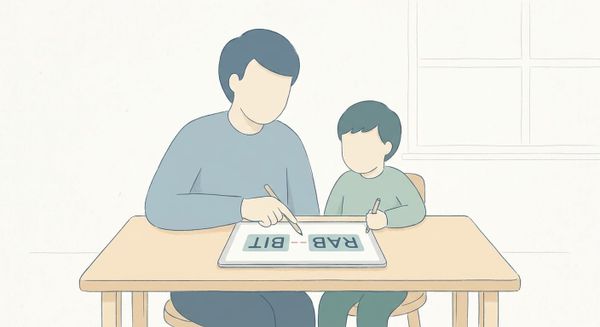
If your child can read short words but gets stuck on longer ones, syllable division may be the missing step. This guide shows how to teach it at home in a simple, structured way.

If your child can sound out many words but still gets stuck on common ones like said, was, or one, you may be wondering how those words fit into an Orton-Gillingham approach. This guide shows how to teach sight words at home without turning them into guessing words.

If reading practice ends in frustration, the problem may not be the routine itself. It may be that the lesson is simply too long for your child right now. Here is how to tell what length works best and how to adjust it.

If your child is working hard in reading practice but progress feels slow, it can be hard to tell whether Orton-Gillingham is actually helping. This guide shows the early signs to look for so you can spot real progress before it looks dramatic.

If your child still sounds out every single word during reading practice, you may be wondering whether that is normal or a sign they are stuck. Here is how to tell when sounding out is still helping and when it is time to build smoother reading.

If your child can say letter sounds but still struggles to read whole words, blending may be the missing step. This guide shows parents how to support sound blending in Orton-Gillingham practice at home without making reading feel overwhelming.

If your child is doing better with a reading pattern but still makes a few mistakes, it can be hard to know whether to keep reviewing or move on. This guide shows parents simple signs that a skill is ready for the next step.

If reading practice at home keeps ending in guessing or shutdown, the text may be the problem. Here is how to choose decodable text that actually fits Orton-Gillingham practice.