How to Know If Your Child Is Ready for Open Syllables in Orton-Gillingham
If your child has learned short vowel patterns and basic blending, you may be wondering whether open syllables should come next. This guide helps you tell if your child is ready for open syllables in Orton-Gillingham and what to do if they are not quite there yet.

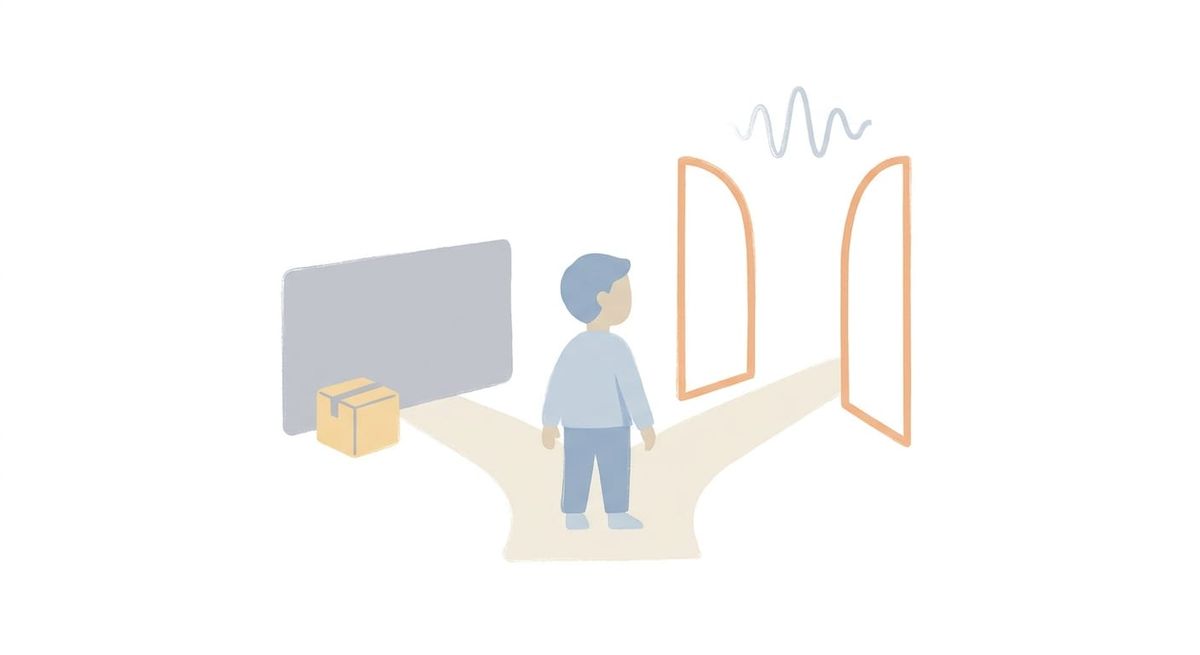
If your child has started to read simple words more accurately, it is normal to wonder what should come next. Maybe they can handle words like cat, hop, and bed, but words like he, go, or the first syllable in tiger still throw them off. At that point, many parents start asking the same thing: is my child ready for open syllables in Orton-Gillingham?
The good news is that you do not have to guess. There are a few clear signs that can help you tell whether open syllables are the right next step, or whether your child still needs more review first.
What does ready for open syllables in Orton-Gillingham actually mean?
In simple terms, it means your child has a strong enough foundation in earlier skills to learn the new pattern without getting overloaded.
Open syllables usually have a vowel at the end of the syllable, and that vowel often says its long sound, like in he, she, go, and me. In longer words, open syllables also show up in words like tiger, robot, and music.
A child does not need to be perfect before learning this pattern. But they do need a few earlier skills to feel fairly steady.
Signs your child may be ready
Here are some good signs to look for.
They can read closed syllable words without a lot of guessing
If your child can read words like lap, sun, him, and stop with reasonable accuracy, that matters. Open syllables make more sense when a child already understands the difference between short vowel patterns and other vowel patterns.
If every short vowel word still feels shaky, open syllables may feel confusing instead of helpful.
They can blend sounds smoothly
Your child does not need to read quickly, but they should be able to blend sounds together in a basic, reliable way. If they can look at a simple word and pull the sounds together without falling apart, that is a strong sign they are ready for the next layer.
They notice when a word does not sound right
This is an underrated sign. If your child reads go like /g/ /ŏ/ and then pauses because it sounds wrong, that shows growing awareness. They are starting to monitor their own reading, which helps a lot when learning a new syllable type.
They can handle short review without melting down
Readiness is not only academic. It is also practical. If your child can do a short review of familiar patterns and still have enough energy to try one new thing, that is a good sign.
If every practice session already feels maxed out, it may be better to strengthen earlier skills first.
What if your child is not ready yet?
That does not mean progress has stalled. It usually just means the foundation needs a little more time.
Go back and tighten up the skills that make open syllables easier:
- blending CVC words
- reading closed syllables with short vowels
- hearing the difference between short and long vowel sounds
- reading a small set of known words automatically
Often, just one or two extra weeks of focused review can make the next concept feel much smoother.
A quick way to test readiness at home
If you want a simple check, try this during a calm practice session.
Show your child a small mix of familiar and new words:
- closed syllables: cat, bug, hop, kit
- open syllables: he, go, she, no
Watch for these patterns:
- Can they read the closed syllable words with decent control?
- Do they try to sound out the open syllable words in a flexible way?
- Can they learn the new pattern after a short explanation?
- Do they seem curious, or totally overwhelmed?
You are not looking for instant mastery. You are looking for whether the new concept feels teachable.
What does teaching open syllables look like when a child is ready?
Keep it short and direct.
Start by teaching just a few examples like he, she, we, go, and no. Explain that when the syllable ends with a vowel, the vowel may say its name. Then practice reading a few words, building a few with tiles or cards, and mixing them with review words your child already knows.
At first, stay with very simple examples. Do not jump straight into long word lists or multisyllable words. The goal is to help your child notice the pattern and feel successful with it.
What if they keep mixing up short and long vowel sounds?
That is very common.
When that happens, slow the lesson down and contrast the patterns directly. Put hop next to go. Put kit next to he. Ask what they notice about where the vowel sits and how it sounds.
This side-by-side comparison is often more helpful than giving a long explanation.
A real-world example
A parent might notice that their fourth grader can read words like sand and chip pretty well, but keeps misreading me as /m/ /ĕ/. At first, it looks like the child is just forgetting vowel sounds.
But after a closer look, the issue is really that the child has only practiced short vowel patterns. Once the parent spends a few short sessions teaching he, we, she, and go as open syllables, the child starts to see that not every short word follows the same pattern. That small shift can unlock a lot.
Simple things to try this week
- Check closed syllable strength first
Read 8 to 10 simple short vowel words together. If those still feel hard, review before adding something new. - Teach only 3 to 5 open syllable words at first
Small sets help the pattern stand out. - Mix new words with old ones
This keeps practice grounded and helps your child compare patterns. - Stop before your child is worn out
A short, successful session teaches more than a long, frustrating one.
You might also find this helpful: How to Know When to Move to the Next Orton-Gillingham Skill
If you are trying to decide whether to review, pause, or move forward, that guide can help you make the call with more confidence.
Final thoughts
If you are wondering whether your child is ready for open syllables in Orton-Gillingham, look for steady earlier skills, not perfection. A child who can blend simple words, handle short review, and start noticing when a word sounds off is often ready to learn this next pattern.
And if they are not ready yet, that is okay too. A little more review now can make the next step much easier.
If you want extra support at home, ReadGenie gives kids short, structured reading practice built on Orton-Gillingham principles, decodable text, and repetition. You can explore it here: App Store and Google Play.



