How to Know When to Move to the Next Orton-Gillingham Skill
If you are doing Orton-Gillingham-style reading practice at home, one of the hardest questions is knowing when to move on. This guide shows parents what readiness really looks like and how to avoid moving too fast or staying stuck too long.

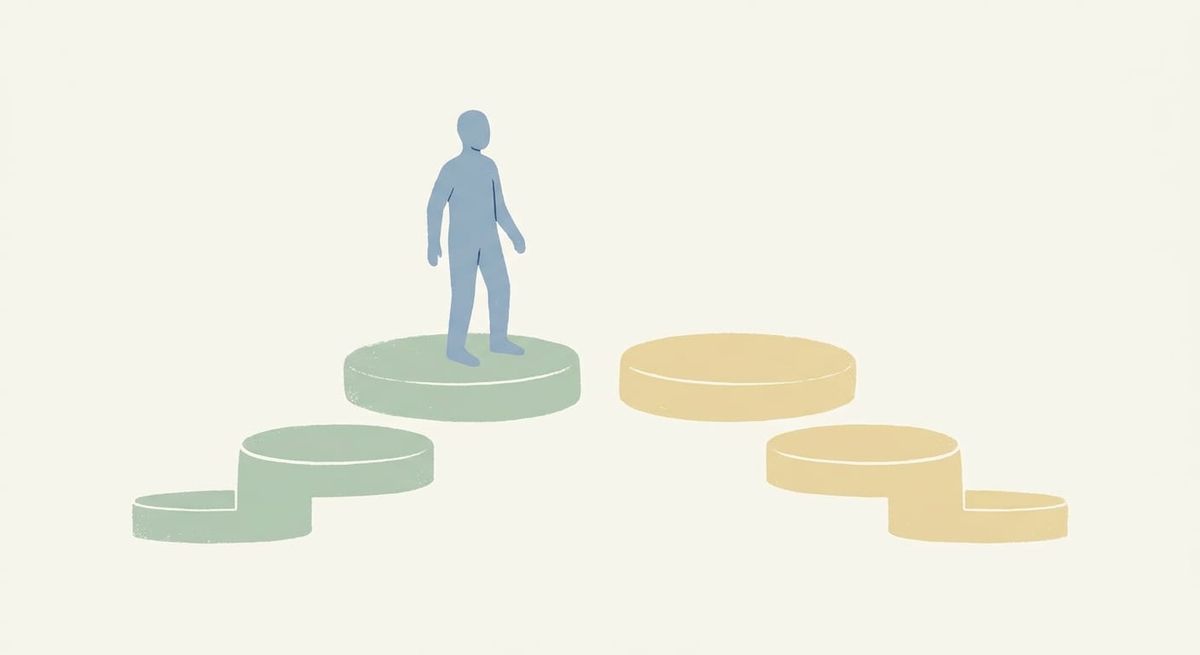
If you are helping your child with Orton-Gillingham-style reading practice at home, there is a good chance you have asked yourself the same question more than once: Are we ready to move on yet?
That question can feel surprisingly stressful. If you move too fast, your child may get overwhelmed and start guessing. If you stay too long on the same skill, practice can feel repetitive and frustrating.
The good news is that you do not need to guess. There are a few simple signs that can help you tell when to move to the next Orton-Gillingham skill and when your child still needs more review.
Mastery does not mean perfect
Many parents wait for a skill to look perfect before introducing the next one. In most cases, that is not necessary.
A child does not need to read every word instantly or never make a mistake. What you are really looking for is growing control.
That usually means your child can:
- read most words with the target pattern accurately
- make fewer guesses than before
- correct some mistakes with a prompt
- use the pattern in both word lists and short decodable text
- complete practice without falling apart emotionally
If your child still needs a little support but is mostly successful, that may be enough to move forward.
What should you look for before teaching the next skill?
Before adding a new concept, check whether the current one is showing up in more than one place.
For example, if you have been teaching magic e, your child should not only read words like cake and bike in isolation. They should also be starting to read those words in a short phrase or passage without acting like the pattern is brand new every single time.
A good home checkpoint is this: can your child handle the skill across three simple contexts?
- Word reading: reading a short list with the target pattern
- Sentence or passage reading: spotting the same pattern in connected text
- Spelling or dictation: writing a few words with that pattern
If the skill only works in one of those places, your child probably needs more review. If it is starting to hold across all three, that is a strong sign you are getting close.
Signs you are moving on too soon
Sometimes a child seems ready because they got through one good lesson. Then the next day everything falls apart.
That usually means the skill is not stable yet.
You may be moving on too soon if your child:
- gets most target words right one day and misses them the next
- relies heavily on memorizing the list instead of reading the pattern
- cannot read the same pattern in a decodable passage
- breaks down as soon as a new word appears
- forgets the pattern during spelling
This does not mean you failed. It just means your child needs a bit more repetition before adding more load.
Signs you may be staying too long
Parents sometimes stay on one skill because they are trying to be careful. That makes sense, but it can backfire.
If practice feels stale, your child may stop paying attention. Some children start to resist not because the skill is too hard, but because it is no longer new and challenging enough.
You may be staying too long if your child:
- reads the pattern accurately across several days
- applies it in passages with only minor help
- spells several words with that pattern correctly
- seems bored rather than confused
- makes more careless errors than real decoding errors
In that case, a new skill may actually improve engagement.
A simple rule parents can use at home
If you want a practical rule, try this: move on when the current skill is mostly solid, not flawless.
For many children, that looks like about 80 to 90 percent accuracy with support kept light. They may still need review, but they are not depending on you for every word.
When you teach the next skill, do not drop the old one completely. Keep folding it into review. That is how structured literacy works. New learning builds on old learning, and old learning stays active through repetition.
So moving on does not mean leaving a skill behind. It means your child is ready to practice it in a bigger mix.
Real-world example
Let’s say Maya has been working on consonant blends. At first, words like stop, flag, and swim were hard. She left out sounds and guessed based on the first letter.
After a week of short practice sessions, she can read most blend words in a list. She can also read a short decodable passage with words like trip and sleep with only one or two reminders. In dictation, she spells flag and step correctly but still hesitates on swim.
Is she perfect? No.
Is she ready to move on? Probably yes.
Her parent can introduce the next small skill while continuing to review blends in word reading, spelling, and passages. That keeps progress moving without expecting total mastery first.
What can you do if you are still unsure?
If you are on the fence, keep it simple.
Try these steps:
- Use a quick 3-day check: review the same type of pattern across three short sessions and look for consistency
- Test the skill in a passage: a child who can only read the pattern in a list may need more practice
- Add one tiny new step: instead of making a big jump, introduce a small next concept and see how your child responds
- Keep old skills in review: moving on should widen practice, not replace review
You might also find this helpful: What Order to Teach Orton-Gillingham Skills at Home
Conclusion
If you are wondering when to move to the next Orton-Gillingham skill, the goal is not perfection. The goal is steady control.
Look for a skill that is mostly sticking across reading, passage work, and spelling. If your child can do that with only light support, you can usually move forward while still reviewing what came before.
If you want extra support at home, ReadGenie gives children structured, decodable reading practice built on Orton-Gillingham principles and the Science of Reading. It is designed to help practice feel clear, consistent, and manageable for families. You can explore it here: App Store or Google Play.



