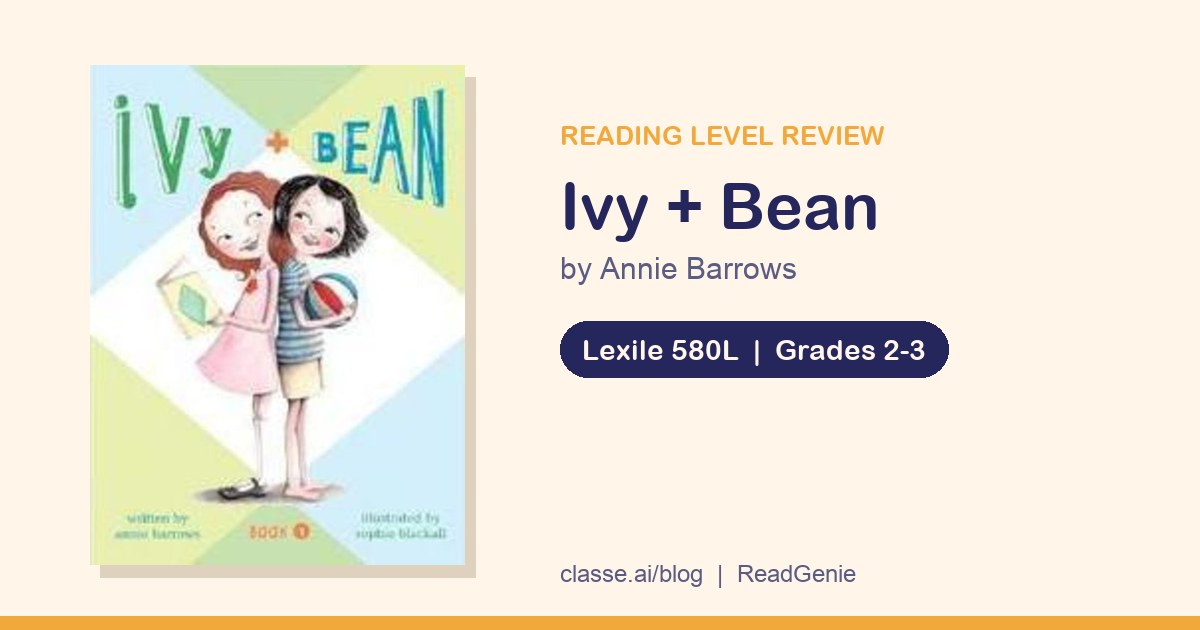
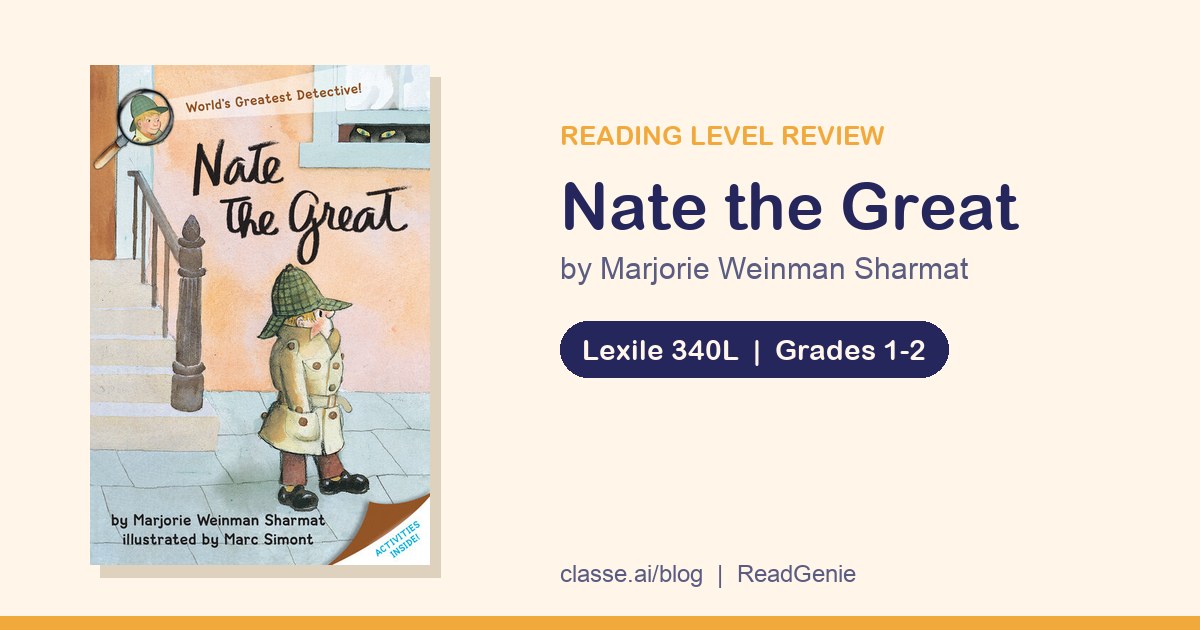
The Lemonade War Reading Level: Lexile, AR Level and Age Guide
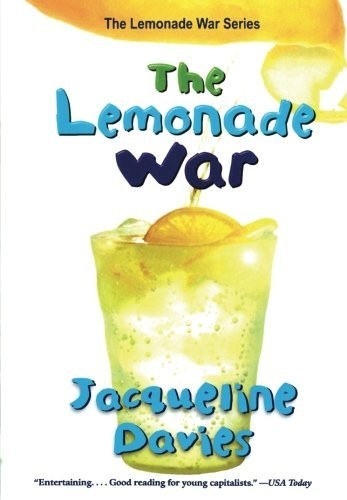
The Lemonade War by Jacqueline Davies is Lexile 630L and AR level 4.1, a book most kids can read alone in 3rd or 4th grade. Here's how it works for struggling readers and kids with dyslexia, and which words to practice first.

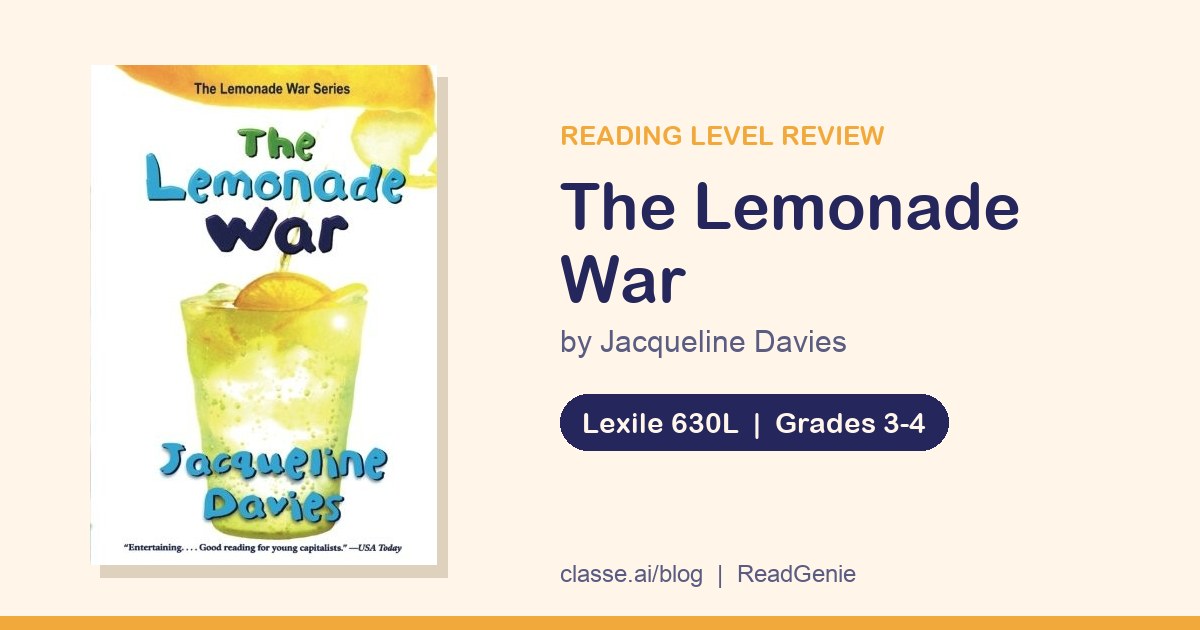
The Lemonade War by Jacqueline Davies has a 630L Lexile measure and an AR (ATOS) book level of 4.1, so most kids can read it on their own in 3rd or 4th grade. A brother and sister racing to sell the most lemonade is an easy hook, and the 14 chapters are short enough to finish in one sitting. That makes it a good pick for struggling readers in grades 4 to 6, especially with the audiobook. It's a text novel with very few pictures, so a child still reading below a 3rd grade level will need you beside them for the first chapters.
Evan Treski is good with people. His younger sister Jessie is good with numbers and not so good with feelings. Right before school starts, Evan finds out that Jessie is skipping a grade and will be in his fourth grade class, and he's furious. The two of them declare war, and the battleground is lemonade. Whoever earns the most in the last five days of summer vacation wins. Kids like it because the fight feels real. Most of them have been Evan or Jessie at some point, and plenty have run a lemonade stand. The book was the Texas Reads One Book pick and won or was nominated for a long list of state children's choice awards, which tells you how many classrooms have read it aloud.
The Lemonade War reading level at a glance
| Lexile measure | 630L (TeachingBooks) |
|---|---|
| ATOS / AR book level | 4.1 (TeachingBooks) |
| AR points | 4 (TeachingBooks) |
| Interest level | Grades 3-5 (Mind Resources) |
| Approximate grade band | Grades 3-4 (ages 8-10) ReadGenie |
| Length | 192 pages, ~27,392 words |
| Format | Middle grade novel |
| Good for struggling readers? | ★★★★★ 4/5 |
| Dyslexia-friendly rating | ★★★★★ 3/5 |
We couldn't find a published Guided Reading level, DRA level, grade level equivalent or Flesch score for this book.
Scores checked 2026-11-07. Different leveling systems don't always agree, so we show each published value with its source and mark our own estimates. Links to every source are under How we rate books.
Is your child working hard and still getting stuck on words?
ReadGenie helps struggling readers improve their reading, spelling and handwriting with Orton-Gillingham practice at home. Your child reads out loud, the app listens, and it helps with the exact sound they missed. Join today and we'll mail your child The Lemonade War for free.
Try ReadGenie and get your free bookStarts with a free 7-day trial. Book mailed after your first paid month. US only, one per family.
What grade level is The Lemonade War?
The Lemonade War sits at about a 3rd to 4th grade reading level. Both official numbers point to the same place, which doesn't always happen.
An AR book level of 4.1 means the words and sentences are about as hard as what a typical student reads in the first months of 4th grade. A Lexile of 630L falls inside the range most schools expect from 3rd and 4th graders. Neither formula looks at pictures, and here that doesn't change much, because the book has so few of them. What you see in the numbers is close to what your child will meet on the page.
Length is the other part of the picture. The whole book runs about 27,400 words, worth 4 AR points, which is short for a novel. Spread across 14 chapters, that's close to 2,000 words a chapter. A 4th grader reading at an average pace can finish a chapter in 10 or 15 minutes. A slower reader might need 20.
Mind Resources, a school book supplier, lists it for grades 3 to 5, and the AR record marks it as a middle grades book. In practice, 7- and 8-year-olds enjoy it read aloud, 8- to 10-year-olds read it alone, and older kids reading a year or two behind can pick it up without much trouble. No publisher or school source we found gives the English edition a Guided Reading or DRA level.
Is The Lemonade War good for struggling readers?
For most of them, yes. We give it 4 out of 5 for struggling readers.
Its biggest strength is the setup. There's a contest, a clear goal and a deadline, so the reader always knows what's at stake. Chapters switch between Evan and Jessie, and you end up rooting for one, then the other. That pull keeps a reluctant reader turning pages in a way that a slower, quieter book doesn't.
The chapter titles help too. Every chapter is named for a business word, like slump, partnership, competition or negotiation, with a one-line definition right under it. For a struggling reader, that's a built-in preview. They meet the hardest word in the chapter before the story starts, with its meaning spelled out.
The book also looks like a real chapter book, with fourth grade characters. A 5th or 6th grader who's behind can read it at school without anyone thinking twice. Middle schoolers may find Evan and Jessie a little young, though.
There are things to plan around. The pages are almost all text, with nothing to lean on when a sentence gets hard. A few chapters stretch to 20 pages, which is a lot for a child who tires quickly. And the money math, with prices, costs and profits, can slow down a reader who also finds numbers hard.
- Great for kids in grades 4 to 6 who want a real novel that won't take a month to finish.
- Great for 3rd and 4th graders reading on grade level who like funny family stories.
- Harder for kids still reading below a 3rd grade level. Read it together or play the audiobook.
- Harder for readers who need pictures to follow a story.
Is The Lemonade War good for kids with dyslexia?
Overall: ★★★★★ 3/5
| Factor | Score | Why |
|---|---|---|
| Sentence length | 3/5 | Judged from the 630L Lexile and the publisher's sample lines. No excerpt long enough to measure was readable. |
| Vocabulary load | 3/5 | Everyday family and school words, plus a business word in every chapter title, such as competition, negotiation and reconciliation. |
| Decodability | 3/5 | Most words follow common patterns. Treski and longer -tion words are harder to sound out. |
| Text density and layout | 3/5 | Standard novel type. Each chapter opens with its business word and a one-line definition, which breaks up the first page. |
| Pictures that carry meaning | 2/5 | Mostly text, so pictures don't carry the meaning. |
| Chapter length | 3/5 | About 27,400 words in 14 chapters, close to 2,000 words each, or 15 to 20 minutes for a slower reader. Chapter 12 is only 3 pages. |
| Engagement for reluctant readers | 4/5 | A contest with a clear winner to root for, plus pranks and money. Kids who like math enjoy Jessie's side. |
| Audiobook / read-along support | 5/5 | Unabridged audiobook read by Rebecca Soler (HarperCollins, 2019), and an older Recorded Books version. |
We give it 3 out of 5 on our dyslexia-friendly scale. It does well on engagement and audio support, and it loses points for having so little picture support.
Audio support is excellent. HarperCollins publishes an unabridged audiobook read by Rebecca Soler, and an older recording from Recorded Books is in many library systems. For a dyslexic reader, following the print while the audiobook plays means the story moves at full speed and they still see every word.
Engagement is strong. A brother and sister trying to beat each other is something almost every child understands, and the stakes rise as the five days run out. Kids who like math tend to love Jessie's side of the story.
The vocabulary is mostly everyday family and school words, which keeps decoding manageable for long stretches. The hard spots cluster in predictable places. The business words in the chapter titles, like reconciliation and negotiation, are long, and the family name Treski isn't obvious. Because those words are known ahead of time, you can teach them before your child meets them, which takes most of the sting out.
Layout is where it's more ordinary. It's set like most chapter books, in standard type with full pages of text. The definition at the top of each chapter breaks up the first page, but after that a reader who loses their place easily may want a reading guide or a finger under the line.
Words and phonics patterns to practice first
If your child is in an Orton-Gillingham or structured literacy program, The Lemonade War fits once closed syllables, blends and r-controlled vowels are solid and the suffix -tion is coming along. These are patterns your child will meet again and again.
- Closed syllables and blends, like slump, smart, math, stand and subject.
- The suffix -tion, in competition, negotiation, location, reconciliation and vacation.
- R-controlled vowels in war, smart, thirsty, partnership and summer.
- Vowel teams, as in heats, feelings, weakest, school and poured.
- Compound words, like breakup, battleground, underselling and grownups.
Pre-teach these words before your child starts. Evan, Jessie, Treski, lemonade, venture, negotiation, malicious, mischief, reconciliation, crisis, people and business. The chapter titles are a ready-made list, so read all 14 together on the contents page before chapter 1. People and business don't follow the rules, so it's easiest to just tell your child those two.
This is the kind of practice ReadGenie does every day. Your child reads aloud, the app listens, and it helps with the exact sound they missed. Words like competition and location feel familiar by the time they show up in the book.
How to read The Lemonade War with your child
Read the first two chapters aloud yourself. By the end of them your child knows why Evan is so upset with his sister, and that's a natural place to stop and ask how they would feel if a younger brother or sister landed in their class.
After that, take turns. Before each chapter, read the business word and its definition at the top and guess what's going to happen. It turns a hard word into a prediction game, and kids are often right, which feels good.
Split the book over about two weeks, a chapter or two a night. On busy nights, play the audiobook while your child follows along in print. Halfway through, ask who's more to blame for the war, Evan or Jessie. Then ask again at the end. Kids often change their minds, and that's the whole point of the book.
If you can, set up a real lemonade stand on a weekend afterward. Have your child track what the lemons and cups cost and what they earned, the way Jessie does. It's the rare book that ends with a project kids actually want to do.
Using The Lemonade War in the classroom or tutoring
For teachers, The Lemonade War is a popular class read in grades 3 to 5 and pairs well with a math unit on price, cost and profit. Turn the 14 chapter titles and their definitions into a word wall that grows as you read. A two-column chart works well for character study, with Evan's people skills on one side and Jessie's number skills on the other. It opens a good class talk about the different ways kids are smart. Since there's no published Guided Reading level for the English edition, match readers by Lexile and AR level.
For tutors, pull competition, negotiation, location and vacation into a short -tion drill before reading, then have the student hunt for them in the text. The chapter titles make good syllable division practice too, like com-pe-ti-tion, ne-go-ti-a-tion and rec-on-cil-i-a-tion. Read a few pages together each session for fluency, and let the student finish the chapter at home with the audiobook.
Content notes for parents
The Lemonade War is a gentle family story. The siblings fight hard, play some mean tricks on each other and say things that hurt before they find their way back. A child going through a rough patch with a brother or sister may see a lot of themselves in it, which can make it a good book to read together and talk about.
Should your child read it?
If your child reads at about a 3rd or 4th grade level and likes funny, real-life stories, The Lemonade War is an easy yes, and the audiobook makes it work for kids a little below that too. If they still need pictures to stay with a story, start with Judy Moody Was in a Mood or Clementine and come back to Evan and Jessie later. When they finish, Tales of a Fourth Grade Nothing is a similar read, and the rest of the Lemonade War series keeps the same characters going.
Make the next book easier
Short daily sessions of reading, spelling and handwriting practice, built with Orton-Gillingham teachers. It works alongside tutoring and school support. The first 7 days are free. Join today and we'll mail your child The Lemonade War for free.
Try ReadGenie and get your free bookStarts with a free 7-day trial. Book mailed after your first paid month. US only, one per family.
FAQ
What age is The Lemonade War for?
Most kids read The Lemonade War on their own around ages 8 to 10, in 3rd or 4th grade. School book suppliers list it for grades 3 to 5, and younger kids enjoy it as a read-aloud.
What is the AR level of The Lemonade War?
The Lemonade War has an ATOS book level of 4.1 and is worth 4 AR points. That puts it in the first half of 4th grade for difficulty, and the point value reflects a fairly short novel.
What is the Lexile level of The Lemonade War?
The Lemonade War has a Lexile measure of 630L. That's a typical level for 3rd and 4th grade readers.
Is The Lemonade War a good book for 3rd graders?
Yes, for 3rd graders reading on grade level or a little above, especially as a read-together book. For a 3rd grader who's still building decoding skills, read it aloud first or pair it with the audiobook.
Is there a Lemonade War audiobook?
Yes. HarperCollins publishes an unabridged audiobook read by Rebecca Soler, and many libraries also carry an older Recorded Books version. Listening while following the print works well for kids with dyslexia.
Get The Lemonade War free
ReadGenie helps struggling readers improve their reading, spelling and handwriting in short daily sessions at home. Join and we'll mail your child this book for free.
Claim your free bookStarts with a free 7-day trial. Book mailed after your first paid month. US only, one per family.
What to read next
- Judy Moody Was in a Mood by Megan McDonald (easier). A funny third grader, a pesky younger brother and short chapters, at a lower Lexile.
- Clementine by Sara Pennypacker (easier). A third grader with big feelings and a little brother, in a short, funny chapter book.
- Tales of a Fourth Grade Nothing by Judy Blume (similar). The classic fourth grade sibling story, with a brother who drives Peter up the wall.
- The Toothpaste Millionaire by Jean Merrill (harder). Another kid business story full of real math, with a sixth grader who starts his own company.
- Because of Mr. Terupt by Rob Buyea (harder). A classroom story told by many kids in short chapters, for the next year.
Browse all of our reading-level book reviews.
How we rate books
Lexile, ATOS (Accelerated Reader), Guided Reading and DRA levels come from the companies that own them and from publishers. We link to where we found each one, and when a level isn't published we say so. Anything marked "ReadGenie estimate" is our own call, not an official level. Flesch scores come from a short public excerpt when the publisher offers one. The struggling-reader and dyslexia-friendly ratings are our judgment, based on eight things (sentence length, vocabulary, decodability, page layout, pictures, chapter length, how gripping the story is, and audiobook support). Treat them as a starting point. The right book is one your child can read with about 95% accuracy and wants to keep reading.
Sources
- TeachingBooks: The Lemonade War (Lexile, ATOS, AR points, word count, grades)
- Mind Resources: The Lemonade War (paperback) (interest level, Lexile check, ATOS check)
- Libraries Online (LION) catalog: The Lemonade War (AR interest level, Lexile check, Scholastic printing)
- TeachingBooks: The Lemonade War (Graphic Novel) (graphic novel ATOS and word count)
- OverDrive: The Lemonade War (HarperCollins audiobook) (unabridged audiobook, narrator Rebecca Soler)
- Simply Charlotte Mason: The Lemonade War (ISBN, page count, chapter titles and page numbers)
- Jacqueline Davies: The Lemonade War (publisher description, awards)
- Booksource: La guerra de la limonada (Spanish edition)